Global Cool »
Love In The Time Of Swiping
Endless profiles and fleeting chats are wearing users down, as dating app fatigue reshapes expectations, energy, and the search for connection
By Mallik T.
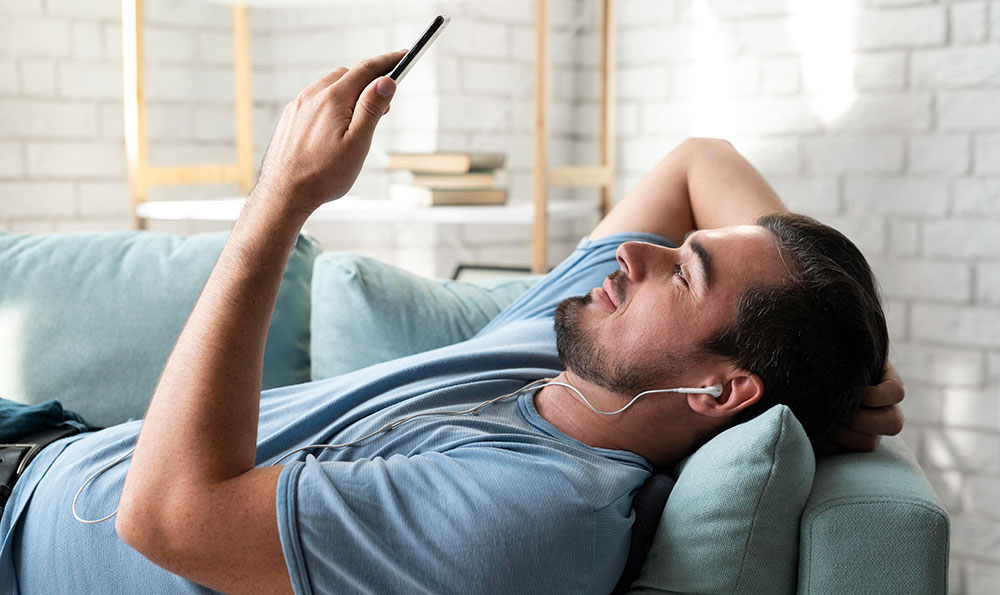
Remember the time when opening Tinder or Bumble actually felt exciting? It was real. You might match with someone new while waiting for your latte, or chat with a stranger before you drifted off to sleep. Suddenly, love — or at least the promise of it — felt just a swipe away. But over time, that quick thrill turned into something heavier. It’s not quite cynicism, and it’s not full-blown indifference either. It’s more like exhaustion.
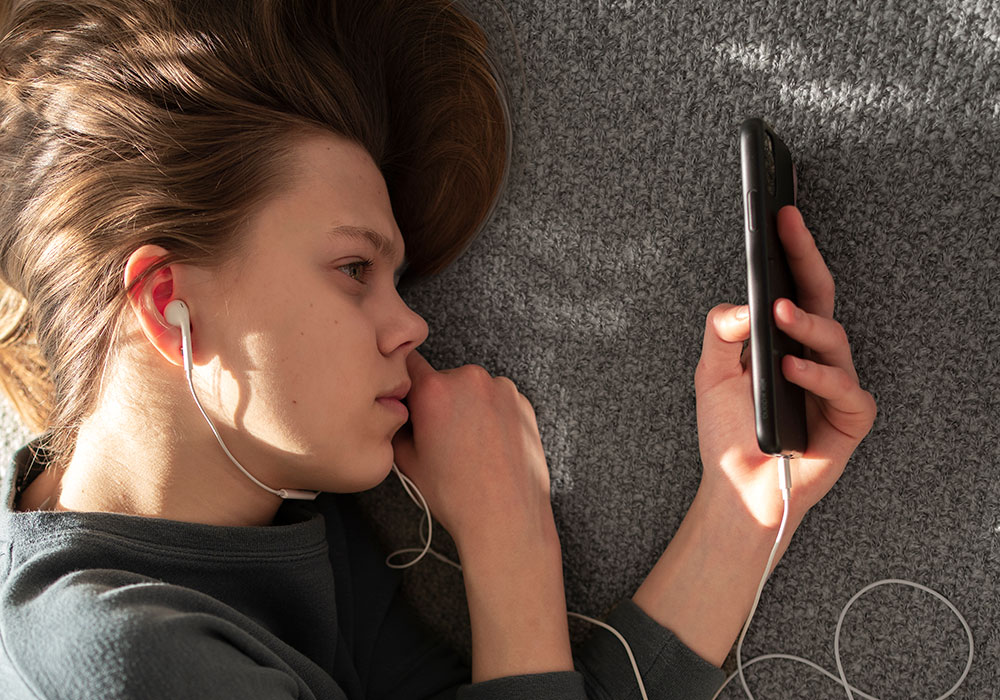
Now, that feeling isn’t just a story you hear randomly. According to a 2025 Forbes Health survey, almost 78% of dating app users say they feel worn out — emotionally, mentally, sometimes even physically — from using them. It’s worst among younger people. What started as a bit of fun has, for a lot of people, turned into a kind of quiet, constant drain that sticks around long after you close the app.
Why? The apps themselves are almost too easy. Swipe, match, send a message, repeat. At first, the frictionless process feels great, but after a while that same simplicity gets old. You decide if someone’s worth your time in just a few seconds. Conversations might begin and then die out just as fast. And there’s always this nagging feeling that something better might just be one more swipe away — so why stick around and see if something real can grow?
That’s when the psychology comes in. American psychologist Barry Schwartz’s idea of “choice overload” from The Paradox of Choice lands hard here. When you’ve got endless options, satisfaction actually drops. All that abundance that once felt so freeing just ends up making people feel stuck.
But it’s not only about choice. The effort gets you, too. Dating apps ask you to show up as your best self all the time — funny, smart, open, interesting. You have to craft your profile, think through your replies, and then deal with rejection or radio silence like it’s nothing. As Esther Perel, Belgian-American psychotherapist, author, and speaker, who is recognized for her work on modern relationships, points out, digital dating turns meeting someone into a weird game of screening and evaluating, where connecting with another person feels a little more like shopping.
The result? People start checking out emotionally. They don’t just feel tired; they feel numb. Chats blur together, matches rarely turn into anything real, and it all stops feeling like a quest for connection. Instead, it feels like a chore. Even in the media, there’s talk of dating apps feeling like admin work, not romance.
The platforms are starting to catch on. Hinge now advertises itself as “designed to be deleted,” pushing the idea of finding something that actually lasts. Bumble is trying out AI tools to make conversations better, and Match Group is rethinking what user engagement should look like. More and more, the push is for quality over quantity — fewer matches, stronger connections.
You see the change in the culture, too. More people talk about “taking a break” from the apps the same way they talk about detoxing from social media. There’s this rise in “intentional dating.” Basically, people want to slow down and focus on real compatibility instead of just racking up matches. Stories out of India, and lots of other places, show singles becoming pickier, more self-aware, and much less interested in endlessly swiping on profiles just for the sake of it.
There’s no denying that people want to connect — maybe even more than before. But now, that energy is pointed somewhere new. More folks are meeting through community events, shared interests, or friends of friends. They want something that feels a bit more organic, where the conversation isn’t just following a script in an app.
So, really, it’s not about tossing dating apps out the window. It’s about dialing back, recalibrating. These apps still open doors. They still help you meet people, but they’re not everything. The focus is shifting from sheer access to actual experience. People want something meaningful, not just another match.
Esther Perel says that tech speeds up how we meet, but it doesn’t change the basics of how we connect. That space between instant access and slow, genuine connection — that’s where dating fatigue comes in.
Maybe that’s the truth at the heart of all this. Technology can introduce us, but it can’t do the real work of building something real. It can help, sure, but it can’t really replace the unpredictable, slow process where strangers actually get to know each other.
Dating app fatigue isn’t just about getting sick of the swipe. It’s about realizing there’s something missing — and when you feel that, you start looking for ways to bring a little more intention and humanity back into the mix.
It’s not easy. But it does feel more real.