Reality Check »
The fermentation fever
Discover how an ancient kitchen secret is making a comeback in a big way, shaping the future of food and wellness
By Mayur Kaushal
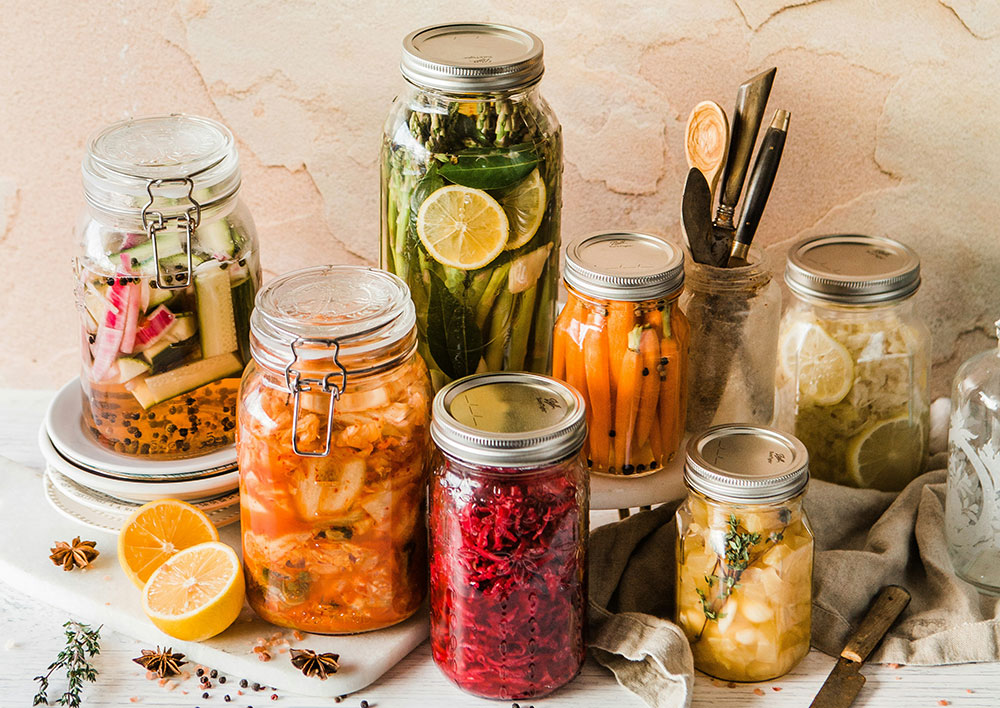
For Rishi Raja, a student of Pharmaceutical BSC, it started with a humble jar of kimchi. Yes, that very pungent, fiery-looking, almost cabbage salad, which you might be familiar with, if you are a professional doomscroller or just a proud torch-bearer of the K-pop movement that has taken over the world by storm. As most things do, it all began with curiosity. “I saw people eating it everywhere. On the TV shows I watched, on YouTube videos, and it looked delicious. One day, I finally got some from a local restaurant, and it changed things for me. I started adding it to my meals, first just for the flavour. But to be honest, in a short time, I felt a difference in how my body felt,” he says.
From there on, it unfolded like one of those unlikely cheesy love stories: passionate, consuming, and, by the end, quietly transformative. Rishi, who lives in Chennai, began to look deeper into kimchi, a discipline he had known nothing about. “It slowly led me to fermented foods. It was a whole new world, and there were a lot of benefits too. Slowly, I began applying it to my diet. After kimchi came sauerkraut, kombucha, and kefir. Now, I cannot imagine spending a day without consuming something fermented. My body feels more in sync and cleaner. Even my cravings have changed,” he shares.
Making things technical for a bit, we define fermentation as simply the controlled growth of microorganisms and the conversion of ingredients. It happens when tiny living things like yeasts and bacteria start eating the sugars and turning them into something tangier, fizzier, and somehow more alive. And it is not something newly discovered.
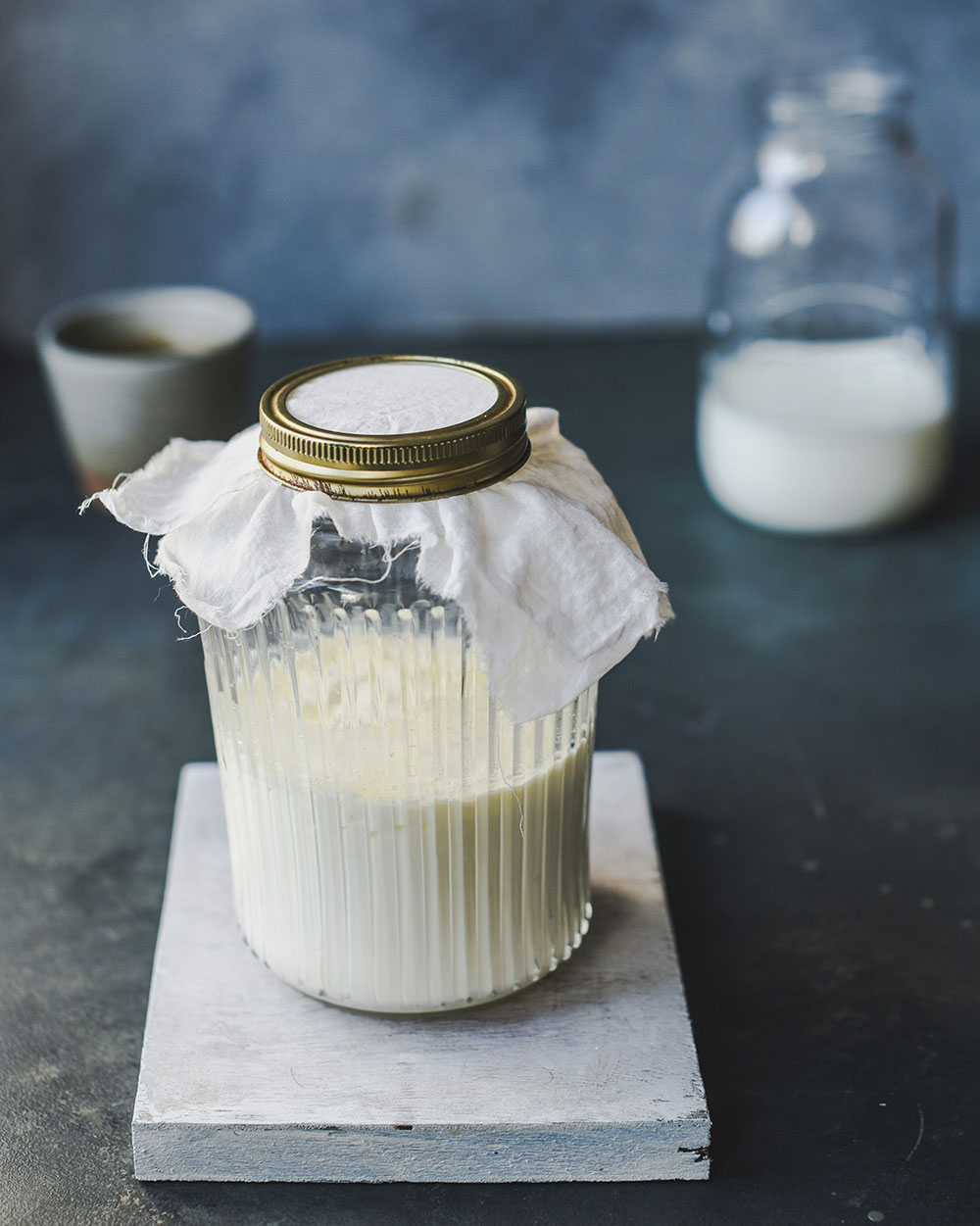
Fermentation is one of the human race’s oldest kitchen techniques, and archaeologists have discovered pottery vessels from around 7000 BC in China that show traces of deliberately fermented rice, honey, and fruit, proving the same. Long before anyone uttered the word ‘probiotic’ with a brown takeaway cup full of kombucha in their hands, Indian households were already making dosa batter, setting curd in earthen pots, and placing pots of kanji under the mellow sun. Chef Aniket Soral of Taj Stats, Delhi, remembers his grandmother’s terrace full of life as the yellow disc in the sky shone feebly in winter mornings. He remembers the tattered grey steel pots of rice gruel thickening, pickles submerged in mustard oil and love, taking shape in clay pots. There was something magical about watching life happen in a pot.
“The flavour you get is impossible to replicate. It is layered, has depth, and the taste is something else. We have a long history of fermentation, although we might not realise it. From the dosa batter to the simple making of curd, all depends on it. But owing to the rising trend and social media, conversations around fermentation is coming to the forefront and becoming something bigger.”
After nearly a hundred years of us getting used to industrial food processing and deep-freezing items, fermentation has returned to the global stage like an artefact rediscovered. This revival is also accelerated by scientific validation, social-media curiosity, and the post-pandemic obsession with immunity and gut health. Studies have found that a diet rich in fermented foods increased gut microbial diversity and lowered inflammation. Another review in a popular scientific journal linked fermented foods to improved metabolism and better immunity.
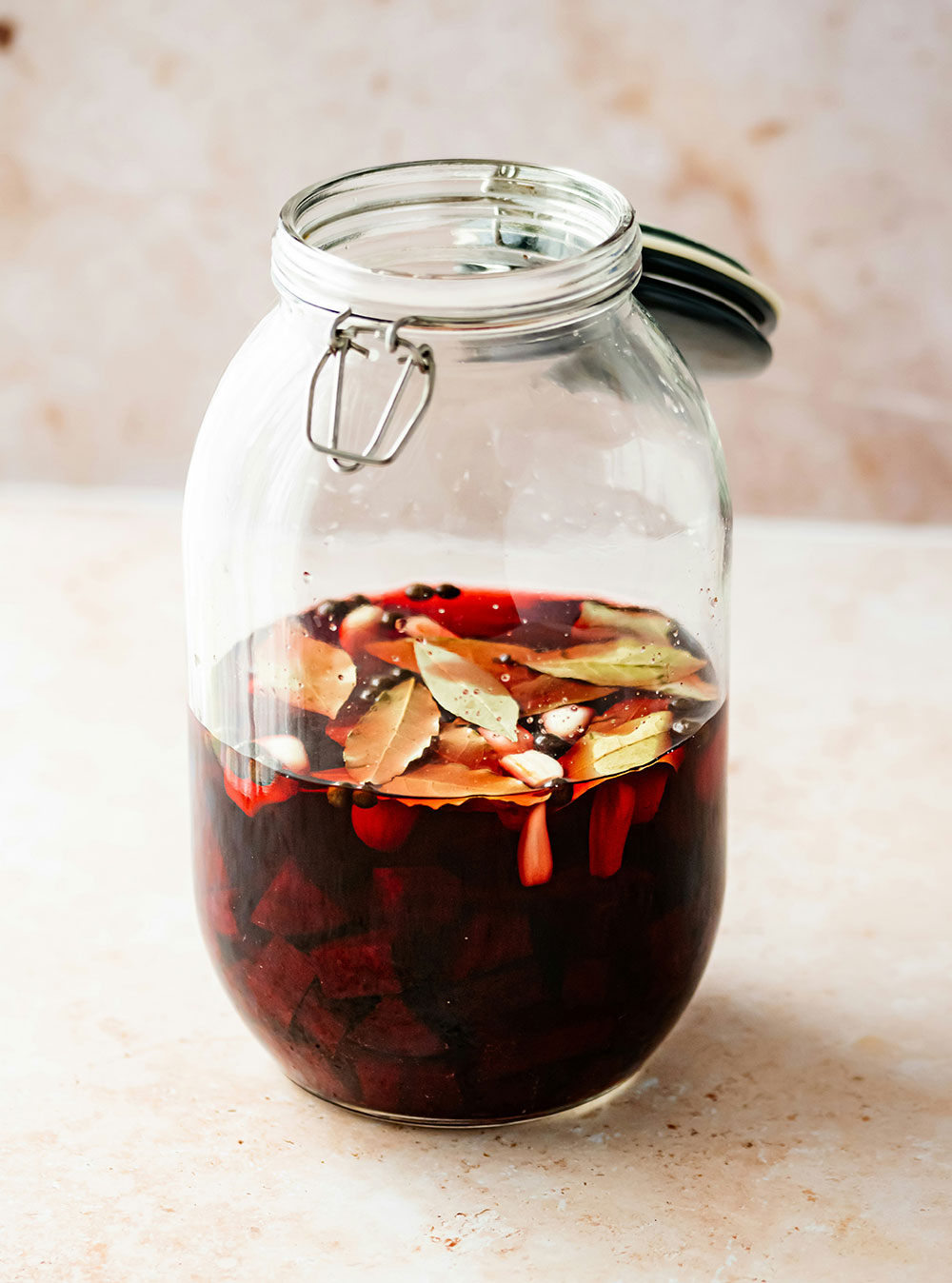
The numbers, too, tell their own quiet story. The global fermented food market, once considered a niche, has nearly quadrupled since 2018, according to reports, and is projected to cross one trillion dollars by 2032 as the world rediscovers these living foods. Nutritionist Minacshi Pettukola explains this homecoming with quiet enthusiasm, “Fermented foods are rich in beneficial bacteria, mainly probiotics. Now, these can help populate the gut with diverse microbes for a healthy, balanced gut microbiome. This can result in good digestion, enhance nutrient absorption, strengthen the intestinal barrier and even improve your mental wellbeing.”
She adds, “Nearly 70 per cent of the immune system resides in the gut. When those microbes thrive, so does the body’s natural resilience. Fermentation also boosts nutrient bioavailability and creates compounds like short-chain fatty acids that help manage inflammation,’. Traditional methods involve patience, living cultures, and local ingredients. India’s long fermentation culture is more than nostalgia. It is simply knowledge disguised as habit. In an age of ready-to-eat packets and apps promising your favourite meals in minutes, the return to slow ferments almost feels like a rebellion.
“Traditional ferments actually are easier to prepare and consume, and also made from local ingredients, which many find easier to digest,” says Minacshi, as she adds, “Over the last few years, more clients are talking about gut health or microbiome or good bacteria, etc, than ever before, which in my opinion is great. Awareness goes a long way! Social media, research awareness, and post-pandemic focus on immunity have also played a role. People are realising that gut health isn’t just about digestion. It impacts mood, hormones, skin, and overall health, too.”
But as the world whirls with kombucha hashtags and probiotic claims, Aniket often returns quietly to his grandmother’s terrace like a bystander lost in a memory which he can still smell and feel. He believes the future of fermentation in India lies not in being attuned only to the global trends but in rediscovering our own traditions. “We are so interested in world foods that we kind of missed something amazing at home. Like when I say sourdough, your interest might peak, but when I talk about a dosa batter, it doesn’t register much, as it is something very common. We have to change that mindset.
In our kitchen, we proudly use the old methods, and at the same time, we experiment. An example I can tell you is, putting a millet culture in a dosa batter. Even the diners are responding well. They like the tang, they like the flavours and health benefits that it has.”
In the end, perhaps that is what draws people to fermentation: that quiet, almost secret satisfaction of watching life happen in a jar without quite noticing it. It is a humble magic, one that asks nothing of you: only patience, and a little faith. The slow fizz of bubbles, the faint tang in the air, the way something raw begins to change, to take shape of its destiny. It feels almost like a lesson disguised as a recipe. It’s like a quiet rebellion of jars lined up on kitchen shelves, each holding its own small, bubbling universe, making a promise that if we let things breathe, they will bloom. Because all good things, from sourdough to a peaceful life, ask for time, subtle warmth, and a waiting heart.