
By Farhaan Tipu
For decades, gaming in India existed behind a familiar stereotype—male-dominated rooms, boys’ clubs, and an unspoken assumption about who truly “belonged” in front of a screen. But that image is rapidly dissolving. Today, women are not just playing games; they are shaping gaming culture, building careers, forming communities, and claiming space with confidence. From casual mobile players to full-time streamers and esports creators, female gamers are redefining what participation looks like in an industry once reluctant to see them.
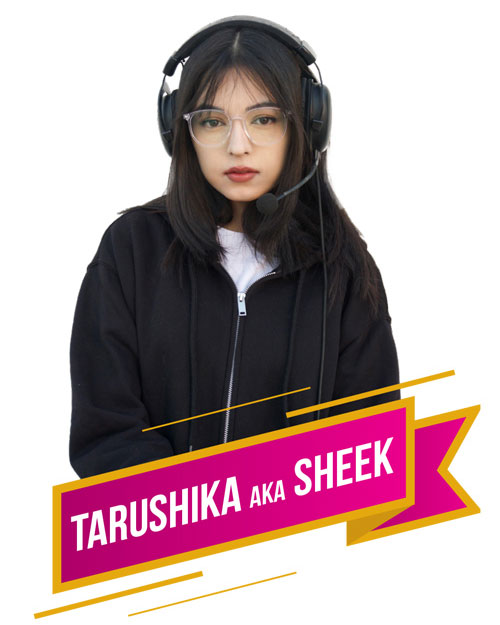
At the heart of this shift lies something deeper than technology or trends. As Tarushika, popularly known as Sheek, puts it, while accessibility, content, and community matter, “at the core it’s confidence.” Mobile gaming may have opened the door and streaming platforms may have shown what’s possible, but what truly changed the game is that “more women are now giving themselves permission to take gaming seriously, not just as a pastime, but as skill, expression, and even a career,” Tarushika opines.
The gateway effect: Access meets aspiration
Mobile gaming has been a powerful equaliser in India. It stripped away the intimidation of expensive consoles and high-end PCs, allowing anyone with a smartphone to participate. Tarushika believes this accessibility fundamentally changed discovery. “You don’t need expensive setups to start anymore. Affordable internet and platforms like YouTube made discovery organic—
women see someone like them playing, enjoying, and succeeding, and that makes gaming feel achievable.”
That sense of relatability is echoed across creators. Ankkita Chauhan, known online as AnkkitaC, points to a larger mindset shift behind the rise of women gamers. “Gaming is now seen as entertainment, community, and even a profession. Women are no longer asking ‘Can I?’—they’re asking ‘Why not?’” For her, mobile gaming acted as an entry point, while streaming platforms transformed gaming into something social. “You’re not gaming alone anymore. You’re part of a community—and by extension, conversations,” she says.
Visibility that changes narratives
For Krutika Ojha aka Krutika Plays, visibility has been the real catalyst. “When women saw creators who were confident, skilled, and unapologetically themselves, it changed the narrative,” she explains. Gaming stopped being framed through gender and instead became about personality and passion. Streaming platforms, she adds, turned gaming into shared culture. “Women aren’t just playing anymore—
they’re reacting, chatting, creating content, and building identities around games. That sense of participation is powerful.”
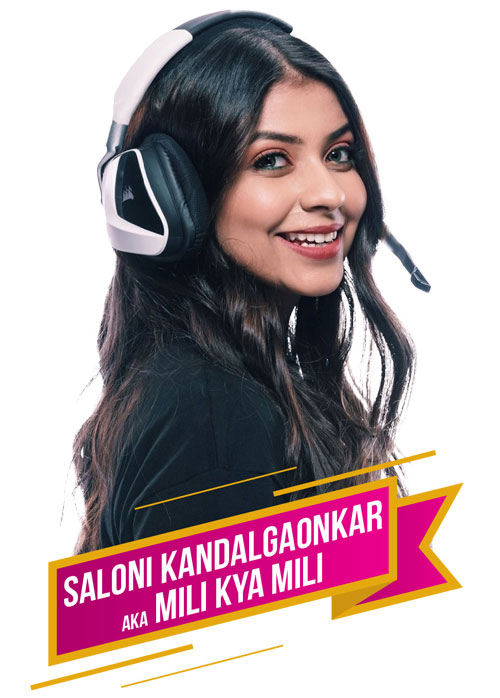
Similarly, Saloni Kandalgaonkar, known as Mili Kya Mili, believes community has been the single most important factor. “When women realised they weren’t alone, everything changed,” she says. Safe, supportive spaces allowed more women to explore gaming without fear of judgment. With affordable internet and creator-driven content, discovery now feels intuitive. “Women find games the same way they find music or shows—through reels, streams, and friends.”
The challenges that persist
Despite progress, the path hasn’t been free of friction. Bias, scrutiny, and online harassment remain part of the experience, particularly as women gain visibility. Tarushika acknowledges this reality candidly. “Bias and online harassment still exist, especially when women become visible,” she says, adding that she navigates it by setting boundaries, focusing on her community, and refusing to let negativity define her journey. Support systems matter too — “having the backing of a strong organisation like S8UL makes a big difference.”
For Ankkita, the challenges come down to “safety and seriousness.” Women often feel pressured to prove they are present for the game itself, not just for attention. Her response is simple but powerful: “I let my consistency and work speak for itself.” Krutika agrees that visibility often invites harsher judgment. “Women are judged more on skill, appearance, even tone,” she notes, but staying authentic and connected to her audience helps drown out the noise.
Saloni takes a more protective approach. “Online behaviour can still be discouraging,” she admits, which is why curating one’s space and prioritising mental peace is essential. “It’s okay to protect your positivity.”


Inclusivity: Intent vs impact
Across the board, there’s agreement that the ecosystem is shifting—but unevenly. Tarushika sees encouraging intent from brands and esports organisations, especially as creator management becomes more robust. She credits 8Bit Creatives for understanding both creators and brands, ensuring collaborations feel authentic. Still, she wants more depth: “More long-term partnerships, and more women involved behind the scenes in strategy and decision- making roles.”
Ankkita echoes this, calling for stronger grassroots support—“women-only scrims, mentorships, and clearer pathways to grow competitively.” Krutika believes brands are becoming more thoughtful, particularly when authenticity outweighs optics. “I’d love to see brands invest more consistently in female talent and build relationships that grow over time.” Saloni sums it up simply: “inclusion should feel natural, not seasonal or tokenistic.”
A culture being rewritten
The impact of this shift is already visible. Gaming culture in India is becoming more diverse, empathetic, and expressive. Tarushika believes future female gamers won’t feel like they’re entering a “male space”—“they’ll feel like they belong from day one.” Ankkita takes it a step further: “For the next generation, seeing female gamers won’t be inspiring—it’ll be expected. That’s real progress.”
As Krutika notes, the industry is gaining nuance, reflecting different voices and styles. And for Saloni, that diversity opens doors not just for gamers, but for the entire ecosystem. The message is clear: girls like to play—and they’re here to stay.