
Global Cool »
The shape of tomorrow
Foldables and AI glasses signal 2026’s biggest technology design shift
Unfolding the future
By Farhaan Tipu
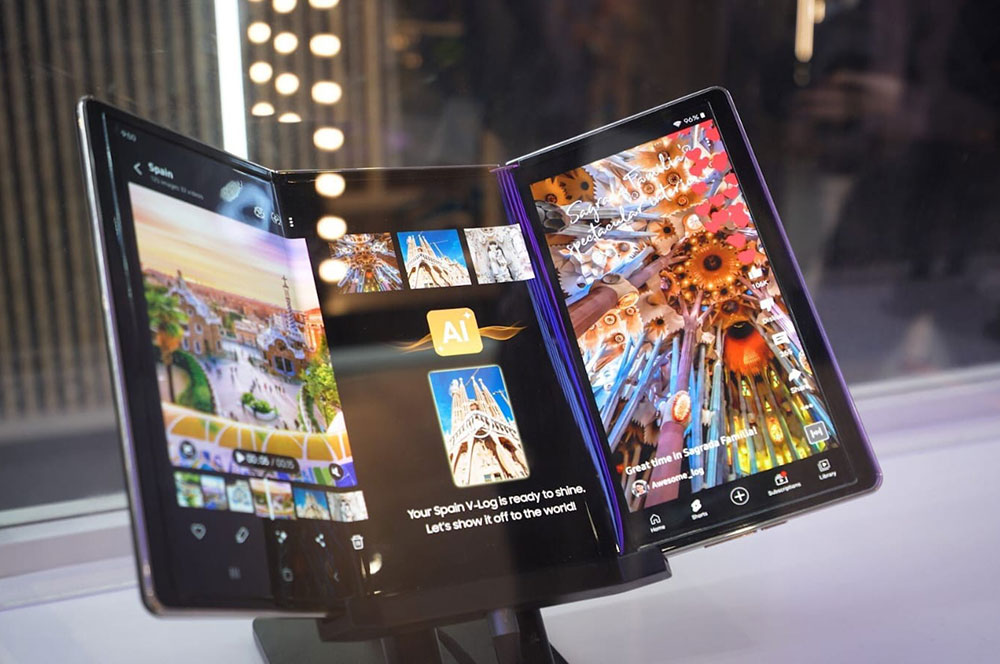
Forget everything you thought you knew about smartphone design. The year 2026 is shaping out to be the year that foldables finally break into the mainstream, with the entire industry bracing for impact as Apple takes what many hope will be its long-awaited entrance into the fold.
A big design revolution is afoot as manufacturers pivot to passport-style form factors. Samsung is testing square-shaped foldables with 18:9 cover screens that unfold into near-square 18:18 displays, breaking from the tall and narrow molds of old. Industry insiders think this is because Apple’s expected take is going to be another thing entirely — the company will introduce its own unique design language that solves many of the pain points which have plagued foldables since day one.
Indeed, reports suggest that Apple has done away with the visible crease on current foldables — a potential new benchmark for the industry.
Beyond dual-fold devices, Samsung has already introduced its Galaxy Z TriFold, with two hinges unfolding to expose an impressive 10-inch display. Huawei has its Mate XT2, while Vivo has the X Fold 6 Pro fitted with a 200MP camera, Honor has its Magic V6, and Oppo has its titanium-structured Find N6.
In the meantime, enhanced durability and processing will be brought by Samsung’s Galaxy Z Fold 8 and Google’s Pixel 11 Pro Fold to compete with Apple’s debut.
Glasses just got genius
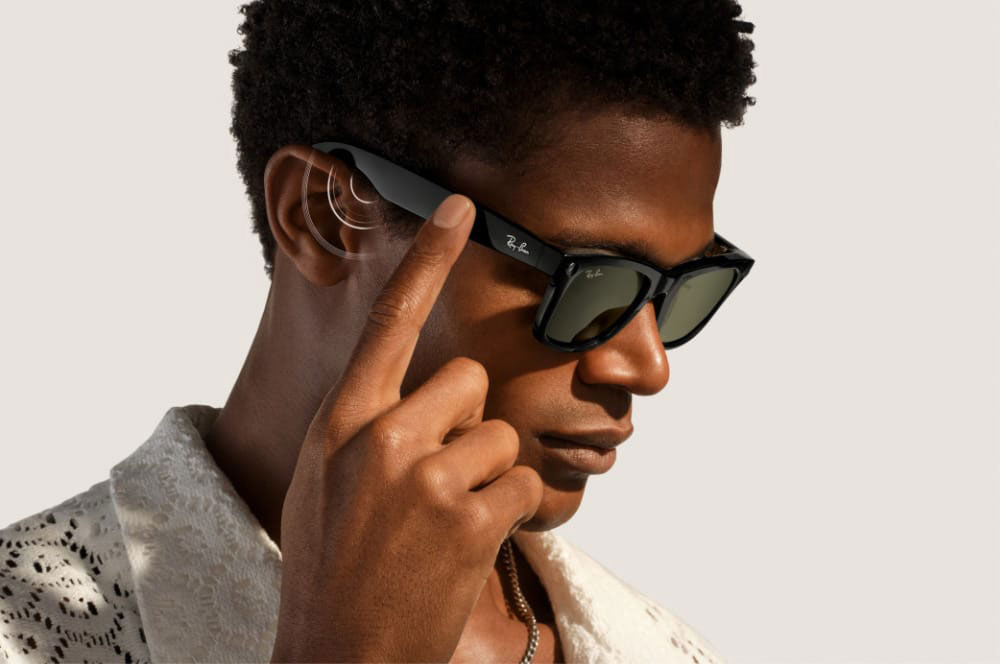
The AI glass is coming, and 2026 is poised to be the year of breakthroughs. From being touted as wearable devices, AI glass technology is soon going to mature into a new form of computing that can revolutionize the way we interact with digital information.
At the forefront are Meta’s Ray Ban Display glasses, introduced last September. These are no ordinary smart glasses — you have a full-colour and high-resolution display embedded into the right lens with 600×600 pixel resolution and come with the Meta Neural Band and an EMG wristband capable of translating muscle actions into commands. People can read messages, have real
time translations, preview images, and use Meta AI with simple hand motions, setting it to become almost magical. With limitless AI processes that can run for hours and the ability to do facial recognition through 2026 versions named Aperol and Bellini, it is very obvious that Meta leads by example at this point.
However, Google is ready with a serious competitor in Project Aura, which it is working on with its partner, Xreal. Scheduled for launch in 2026, Project Aura boasts a huge 70-degree field of view, which is the largest ever optical see-through display designed by Xreal, and it comes powered by the X1S spatial computing chip. The technology giant is also working on screen less AI glasses with the inclusion of audio speakers, microphones, as well as cameras to interact solely with the audio functions of the Gemini.