
Reality Check »
Gone with the wind
The new travel mood is less sightseeing, less sharing and far more time simply being there
By Pranay J
2026 may just be the year of the winning holiday souvenir: a clear head. Quietcations, digital detoxes and off-grid breaks are redefining the art of getting away. For years, holidays were accompanied by a familiar soundtrack: airport announcements, other visitors’ chatter, queues for table reservations, clicking camera shutters, and the nagging sound of a phone being fished out of a bag to capture the moment.
The more spectacular the destination, the more it seemed we wanted to hear it.
Then came the crowds, the traffic and the slightly weird feeling of flying thousands of miles only to stare at the world through a screen. In 2026, however, the prevailing mood is shifting. Increasingly, we’re choosing to go on experiences that encourage us to do less, see less, and most importantly share less. The new luxury may not be a suite with a view of a world-famous skyline; it might be a cabin with weak Wi-Fi, a little coastal village with no plans, or simply a chunk of time during which no one expects a reply.
You could call it the quietcation — travel with fewer destinations, slower speeds and more genuine healing than a sightseeing sprint.
It’s also part of a broader movement towards more considered ways to travel. Booking.com’s 2026 travel predictions, which are drawn from research across 33 countries, highlight the increasing tendency of travellers to prefer bespoke trips based on individual passions over conventional tick lists.
Having spent so long reachable 24/7, many of us have come to see disconnection as an indulgence. A holiday without notifications, e-mails and social media offers us something more and more difficult to find at home: undivided attention. And that doesn’t necessarily mean escaping into the wilderness, either.
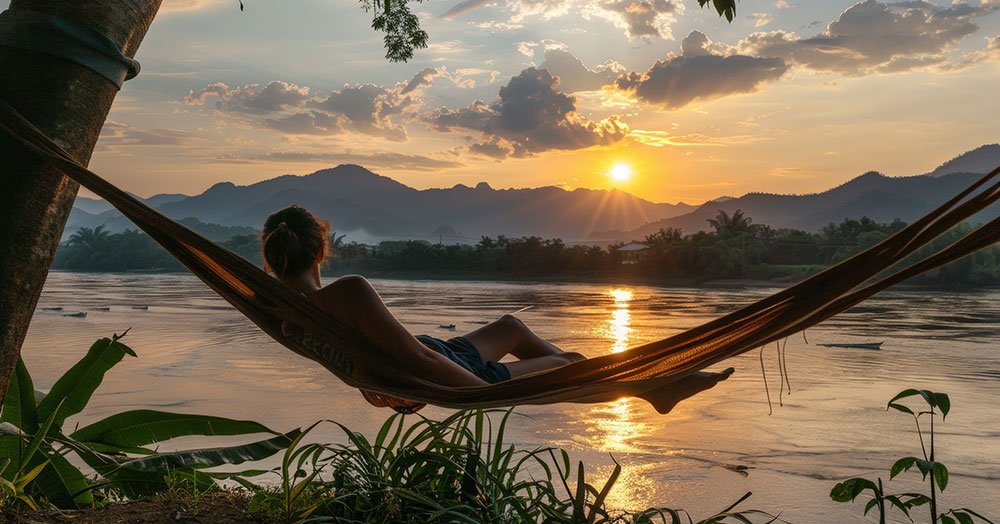
It can be as simple as ditching your mobile and walking to a different town, spending an afternoon sitting next to a lake instead of racing from attraction to attraction, or leaving the phone in the room during a long walk.
And then there’s the most delightfully rebellious notion of all — anti-Instagram travel. If social media used to turbocharge destinations’ popularity, it’s partly responsible for some of them feeling overexposed now. The same photo can be mirrored hundreds of times; the same vantage point comes with a queue of people, the same “hidden gem” is getting less hidden by the day. Travellers, therefore, are increasingly seeking out lesser-visited destinations.
Expedia’s 2025 research already revealed this trend in a subset called “Detour Destinations”: 63 per cent of its global survey respondents said they’re likely to visit a lesser-known place than a major tourist spot.
The outlook for 2026 takes it a step further, spotlighting “slow down towns,” reading retreats, farm stays and other offbeat experiences that are already shaping demand for the near future. The research is based on insights from 24,000 travellers in 18 countries. The motivation isn’t only to avoid the crowds, either.
It’s also to recapture the feeling of discovery. A lesser destination can mean eating out with the locals, wandering without a route, stumbling across a village celebration or spending an entire morning in one spot without feeling guilty that another eye-catching place is waiting. It’s travel with fewer checkboxes and more space for the unexpected.
Nature, of course, is at the center of it all. Remote forests, mountain resorts, island retreats, country hideouts and dark-sky locations will offer that increasingly rare commodity: “sensory quiet.” Booking.com’s previous travel reports have identified that more than 60 per cent of respondents are contemplating destinations with little to no light pollution, while stargazing already feels part of a wider reverence for nocturnal and nature-based pursuits. There’s also a pragmatic component to the drive to avoid conventional travel destinations. Heightened weather events, overtourism and our search for more comfortable trips are altering where we go and when.
In fact, traditional summer high seasons are beginning to loosen up a bit, and travellers are turning to shoulder seasons and off- peak alternatives in search of cold weather, fewer crowds and a different experience.
Recent research by the travel industry indicates that autumnal travel is accelerating, for example, to help travellers dodge the crowds and the heat and enjoy a different pace. Maybe what’s most interesting about the traveller of 2026, however, is that they’re not rejecting all things famous or all bucket list destinations. They’re rejecting the need for every single trip to be optimized.
Sometimes the thing you’ll remember most about a trip is the afternoon that nothing happened — the perfect view, picturesque breakfast, planned timetable. Instead, just an open road, a different landscape, a good book, the sound of the sea, and a phone that, for once, stays put. In your bag. Not in your hand.