Reality Check »
When nori broke free
By Mayur Kaushal
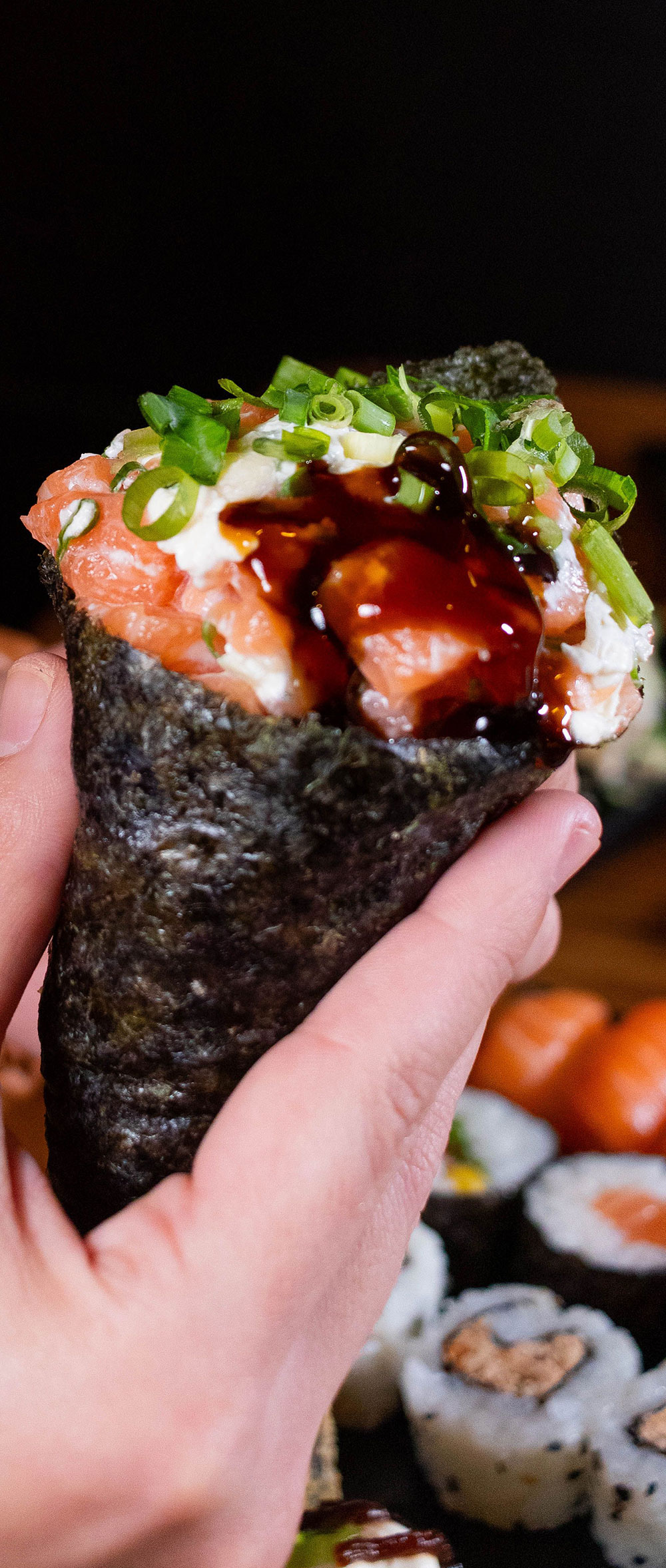
Five years ago, if you came across seaweed, it reminded you of that one introverted friend most of us are well acquainted with. It was the quiet Japanese ingredient known for its burst of umami, and chances are you knew about it only under two very specific circumstances: either you were from East Asia or you were a true gourmand. But even then, it carried out a very fixed set of duties. Its whole identity was as that dark green, slightly pungent sheet used to wrap sushi, or as those odd-looking pieces floating in a steaming bowl of miso soup. But as it turns out, seaweed, or nori (one of its most well-known forms), had grander plans.
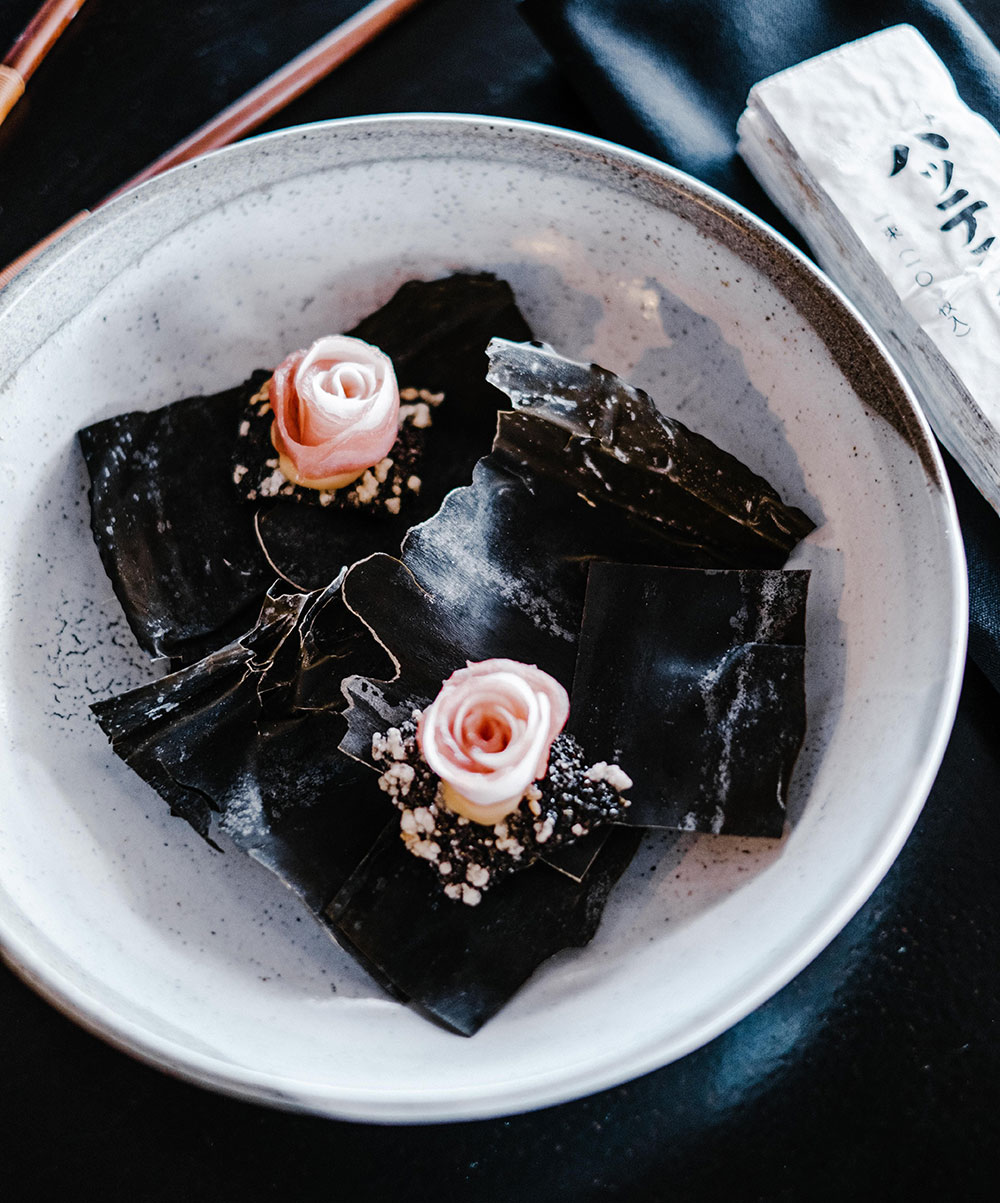
Fast forward to today, and it feels like seaweed has undergone an image makeover, nothing short of what Anne Hathaway went through in The Princess Diaries. If you find yourself in the mood for some seaweed now, you are surrounded by a whirlwind of options. Walk into a supermarket and you will find colourful bags of nori chips with pretty-looking labels standing tall alongside the potato ones. Enter a gourmet café and it may be hiding inside a suspicious-looking but extremely delicious pastry. Know the right restaurant, and it might arrive sprinkled over a bowl of carbonara as though it had always belonged there.
Shrinkhala Swaroop, an Indian origin nurse based in Boston, first encountered these novel snacks during the type of supermarket trip which one undertakes with not much enthusiasm. Recounting it, she takes quite a long pause as people do when narrating life altering events. “I have been into Japanese food for the longest time. A friend introduced me to sushi, and that’s really how I got used to the taste of seaweed. What’s interesting now is seeing it outside Japanese restaurants. I will be at a regular supermarket and there are seaweed chips right there in the snack aisle. I already like shrimp chips, so I tried them, and they were actually pretty good,” she says.
But this is not a standalone event. Today, people are finding themselves in front of such shelves on a regular basis, or at least that is what reports suggest. The global seaweed-snack market is expected to reach around USD 7.47 billion by 2034, while Grand View Research estimates the category could grow by about 11.6 percent a year through 2030.
This spotlight moment is not just confined to packets on supermarket shelves. Seaweed has become a regular tenant in many restaurant kitchens too. Chefs are using the ingredient as something which you can use in baking, as a seasoning, in fried items and even in desserts. You are limited only by your imagination. Seaweed is now not just another hidden Asian ingredient; it has a whole new identity, making it exciting times for chefs as well as diners.
“You even get seaweed in chocolate cakes now, alongside all the regulars we are used to,” says Kumar Vivek Gaurav, a Tokyo-based engineer. “When I first came to Japan, I honestly didn’t like the taste at all. It takes some getting used to.”
He smiles, pauses for a moment, then adds, “But now I love it in soups, and what surprises me is how many other things it is being used in. Last week, I went out for dinner with some friends and the restaurant had nori pasta. Earlier, I would never have imagined seeing that on a menu.”
Back in professional kitchens, chefs are adding seaweed into pasta dough, blending kelp into sauces, crumbling dulse over noodles and using kombu to deepen broths. Kelp itself is being cut into noodle like strands, while seaweed powders are finding their way into breads, pizza bases and savoury pastries. Chef Aniket Soral of Taj SATS, Delhi, has watched this shift happen from inside the kitchen, where seaweed is treated as another ingredient to play with.
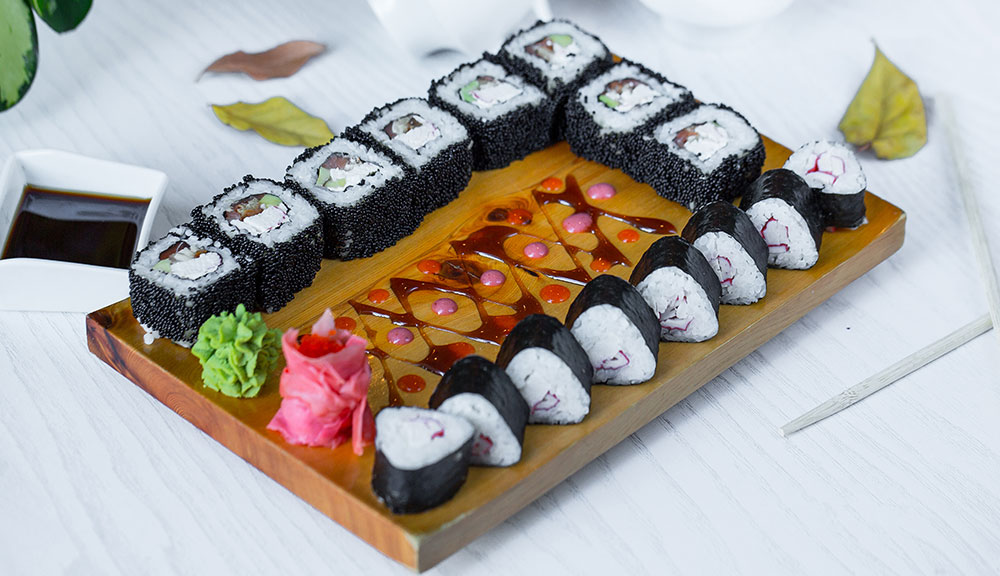
Talking about its growing popularity, he says, “A few years ago, most people immediately associated seaweed with sushi. That is changing. Chefs are realising that it is not an ingredient tied to one cuisine. It brings saltiness, umami and texture, and it blends well with a lot of familiar flavours. For example, it can elevate a cheese sandwich adding a fresh and deeper flavour. And this is just one instance, it can be used for breads, garnishing, and a lot of other things. This makes it much more exciting to experiment with.”
Seaweed has more going for it than flavour. Depending on its type, it can bring iodine, fibre, iron, calcium and magnesium to the table, usually without much fat. Seaweed, especially kelp, can contain high amounts of iodine, so you don’t need to go overboard with it. It can be a great addition to your meals, but it’s still just one ingredient, not a magic fix.
So, how did seaweed go from holding sushi together to turning up almost everywhere? Part of the answer is timing. Supermarkets became more international, diners more adventurous, and chefs far more willing to borrow ingredients across cuisines. Somewhere along the way, seaweed stopped requiring an introduction. At the start of this decade, it was just a sushi ingredient. Today, it might be someone’s go-to snack — the seasoning you might sprinkle over your popcorn for a home movie night or even the hero of your pasta sauce. It seems like it is finally seaweed’s time to lead the show.