Reality Check »
The Korean Phenomenon
Korean food is everywhere today, from the colourful aisles of local supermarket to Instagram feed. But how did this humble cuisine become a global sensation?
By Mayur Kaushal
‘Smooth like butter, like a criminal undercover…’
If you are one of those people who religiously follow pop culture, these lines will surely ring familiar. It was 2021 and the world was vibing, as though someone had flung open a magical door and let in just enough sunshine. Everything looked a little brighter than usual. This iconic track by one of the biggest boy bands ever had most of our feet grooving. From teenagers in their bedrooms to people dressed in bright green tank tops and black oversized t-shirts on TikTok, many were enchanted by the growing spell of Korean culture. And then, slowly came September. People around the globe found themselves engrossed in a new Netflix thriller about a bunch of desperate contestants stuck in a rather unpleasant game. Squid Game became a rage that sustains even now. One step at a time, Hallyu was solidifying its Red and Blue mark on the world. It was everywhere. On our television screens, on our favourite t-shirts, in our heads, like a song you don’t mind having stuck in your ears. And as it happens with any culture import, along came the food.
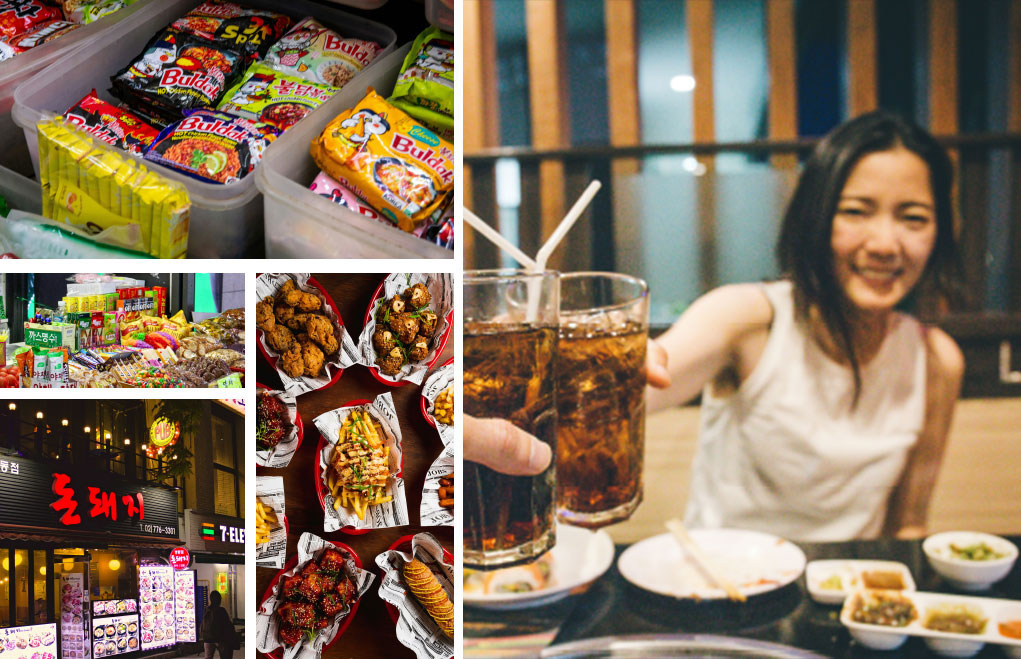
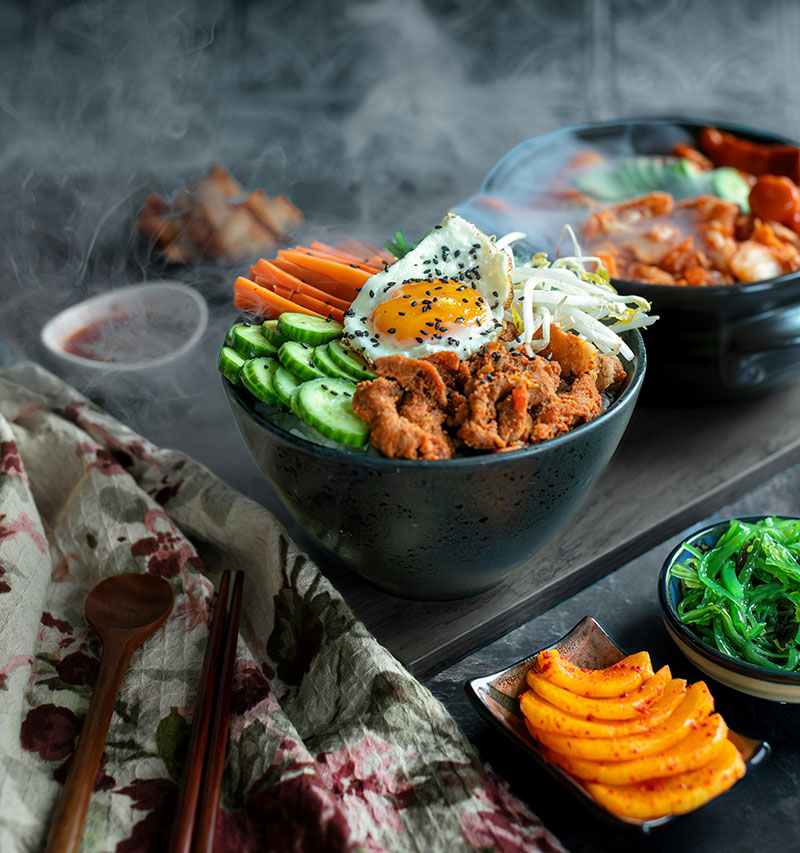
Today, you look around and you can find people devoted to the quest of finding the perfect Bibimbap or a plate of spicy Tteokbokki. Supermarkets are filled with shiny pink and yellow ramyun packets, looking too pretty to ignore and one often hears serious inquiries for Gochujang across the counter. From New Delhi to Mexico City, K-pop has neatly tunnelled its way into people’s hearts. Seoul is the new Tokyo. BTS is the new Queen. And ramyun is the new biryani.
‘Annyeong,’ says Anjali Kumari, a Fashion Design student in Pune. She smirks a bit, her eyes lighting up around the corners. “My first experience with Korean food was very exciting. I enjoyed the variety of textures and flavours you get in a single meal. My favourite thing about it is how interactive it can be, especially with dishes like Korean barbecue. It really is my comfort food,” she says.
Korean food does have that undeniable charm. From the humble plate of Korean fried chicken, the spicy, pungent, soul-stirring dish which leaves a satisfying aftertaste on your tongue, to a bowl of home-cooked shin ramyun with caramelised onions and sausages or beautifully glazed short ribs dripping with lip-smacking brown sauces, the cuisine has a lot to offer.
Chef Aniket Soral of Taj Sats Delhi agrees with this sentiment. “Korean food works for most people, even if you are trying it for the first time. The heat doesn’t hit you all at once. There is a bit of sourness and a perfect balance of sweet and salty. Nothing feels flat or simple. The flavour profile is very balanced. It has a lot of character, too. For example, a bowl of Jjigae (Kimchi stew) has this amazing flavour in every bite. It is the kind of taste you cannot fully explain, but you keep going back for it.”
Even statistics tell a fascinating story. The number of Korean restaurants around the world has increased significantly in the last five years. According to a consumer research report, in the US alone, Korean eateries’ locations grew by 10 per cent in a single year, with around 450 new openings since 2018. Korean restaurants now hold over 75 Michelin stars globally. South Korea alone accounts for 46 of these, across Seoul and Busan, while New York City has emerged as the global hub for Korean fine dining outside Seoul, with 12 Korean establishments in the city holding this honour. India, too, saw a 13 per cent jump from 2023, and the average age of these restaurants is just three years, doing good business.
“My first experience with Korean food was very exciting. I enjoyed the variety of textures and flavours in a single meal. It really is my comfort food.”
— Anjali Kumari,
Fashion Design student, Pune
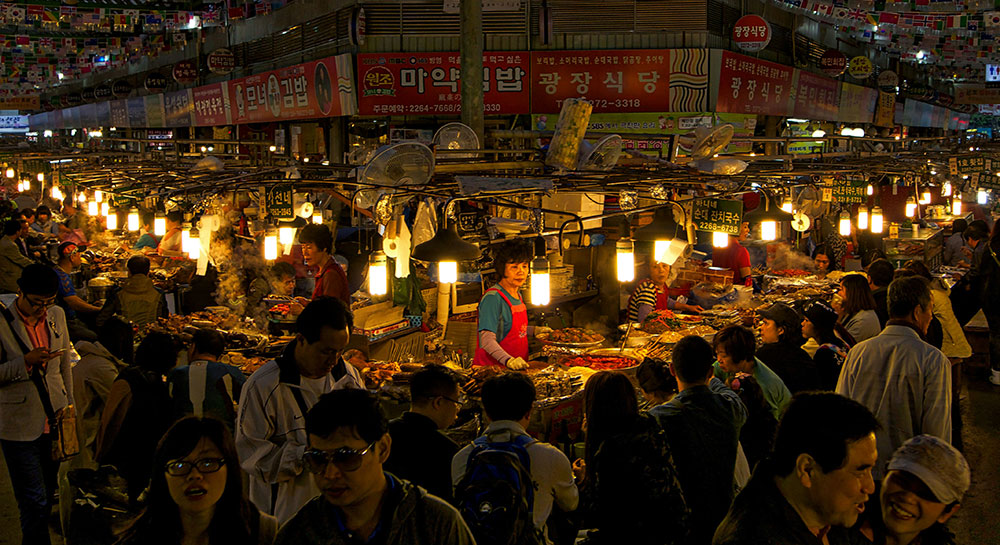
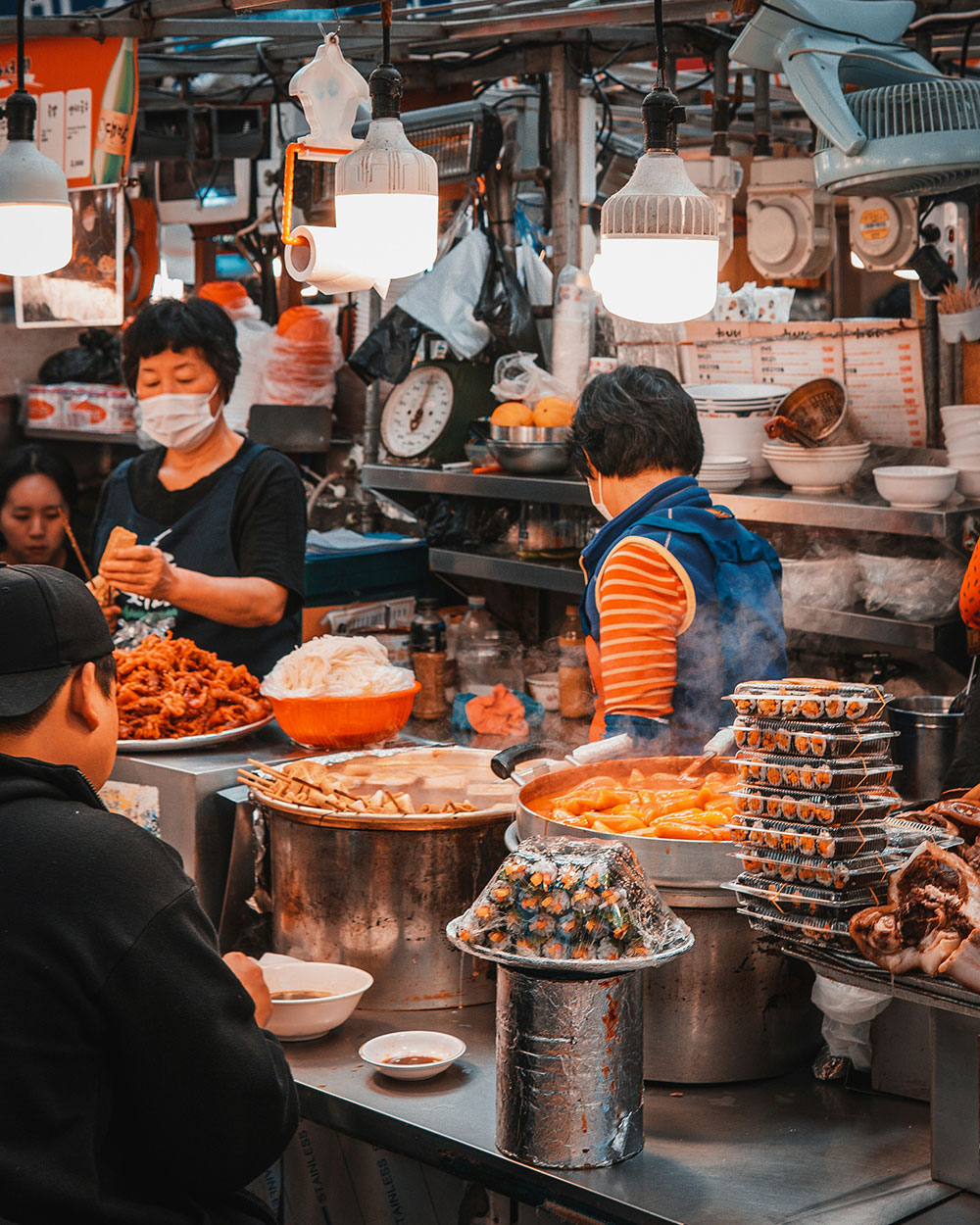
“The demand for authentic Korean food has increased. You cannot just say Korean and sell anything. People look for the real taste,” says an employee at The Sarang Korean Food & Cafe, a two-year-old establishment in Kolkata.
Susie Song, a Korean chef and founder of Atelier Vivi, a boutique cooking studio in New York, sees the same story playing out at the highest levels of the food industry. “K-pop and K-dramas were definitely the initial spark. But Korean chefs around the world are now taking that momentum to the next level, introducing flavours that are wooing serious gourmands and casual diners alike. They are winning accolades and mesmerising the world through the same creativity that made K-pop a global phenomenon. While my grandma certainly never made most of the dishes being served at the trendy Korean restaurants in NYC, I feel like Korean food today is still true to its roots. With any cuisine, the more popular it becomes, the deeper people dig.”
The world’s love affair with hansik is quite old. Of course, it gained visible momentum recently, with many teenagers wanting to look like Jung Kook and quite understandably so. The story had already begun in 1988. If food lores are to be believed, it all started at the Seoul Olympics.
During the games, the South Korean government presented kimchi to the world. An effort to introduce their food globally. And it worked. This helped kimchi gain international recognition as a Korean staple.
After that, things were a bit slow. By 2012, K-pop gained momentum again with PSY’s audacious and highly entertaining Gangnam Style, arriving like a high-speed race car with very little subtlety. Kimchi, meanwhile, received a significant nod from UNESCO (Kimjang, the process of making and sharing it, was given a UNESCO Intangible Cultural Heritage tag in 2013). For a while, things went steadily but slowly. And then, quite suddenly, everything culminated at once when all of us found ourselves with unexpected time on our hands, watching Korean shows. BTS was already big, Seoul was becoming a tourist hotspot and finally, the food exploded.
Ayush Rauniyar, the marketing head at Seoul, a 19-year old Korean restaurant in Delhi, says, “We opened in 2007, and for a while it was all kind of static. We had local customers. But then, around 2019, the younger lot began to arrive. The K-pop fans, curious and very enthusiastic. They want to experience the Korean lifestyle. And the easiest way to get access to that is by trying the food.”
Perhaps the most curious part is that something which once felt so foreign, is now a daily affair. A bowl of ramyeon on a rainy evening, a bustling bite of kimchi with rice or your salad, and a Blues tune playing somewhere in the background. Korean food no longer feels like a stranger. It is something far closer to wherever your home is.