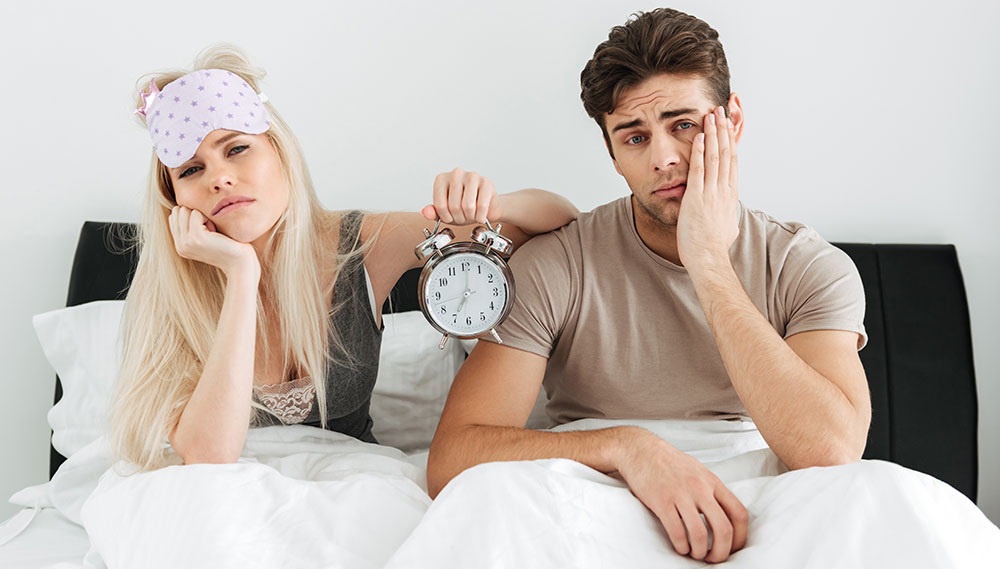
Hello People! »
Sleep Divorce On The Rise & Why
Resmed’s Global Sleep Survey 2026: Insights from 30,000 people across 13 countries show sleep health awareness is growing, yet an action gap remains
By Farhaan Tipu
We’ve all heard the mantra that sleep is the third pillar of health alongside a balanced diet and a steady gym routine. However, it turns out that understanding the importance of getting some rest and actually doing it are two different things. The sixth annual Global Sleep Survey by Resmed, a health technology leader, unearths fascinating, albeit exhausting details about our lives in the modern world, which was designed based on the responses of 30,000 individuals from 13 nations.
While there is a consensus — 84% — that quality sleep is the secret ingredient for long life and health, there is a sleep gap. While 53% of those surveyed believe sleep is the most important factor contributing to their long-term health, more than half also experience quality sleep less than four times a week. We are aware of the benefits of the pillow, but we opt to stick off it.
The wrist-bound wake-up call
If there is a silver lining to the collective restlessness, then it is that there is more curiosity about this data than ever before. More and more people opt for wearable sleep trackers — their popularity rose from a mere 16% in 2025 to 53% this year. It can be a smartwatch or a ring: 58% of the world is now tracking their cycles in real-time.
The good news? We’re listening to the machines. 62% of wearable users say they would visit a doctor if their device flagged a potential health issue. The hurdle, however, remains the doctor’s office.
This lack of action can be seen in the figure that despite most people saying they would seek professional help for recurring problems, only 23% actually see their doctors. As less than half of the health care givers ask about sleep during the routine check ups, the tired patient still carries the burden of initiating discussion on the matter.
Modern disruptors: Stress, work, and partners
Why are we so tired? The survey highlights a perfect storm of lifestyle pressures that keep us tossing and turning:
Gender: Women feel the pinch more. 48% can no longer get some sleep (and this is a disproportionate 10% of women from last year), and many of them suffer from stress, anxiety, and responsibilities related to the family, which are more burdensome than for men.
Mental toll: It’s a vicious circle. For 36%, a poor night’s sleep leads to irritability and for 33%, it results in increased stress. For every quarter of the world’s population, depression is something that can be measured against a poor night.
Workplace pivot: Our jobs are coming into the bedroom with us. 58% of the respondents say that heavy workloads are ruining their rest, leading to 70% of workers to take a “snooze day,” calling in sick to make up for the lack of sleep. Flexible working arrangements turn out to be a saviour for 59%, helping them to better manage the rhythm.
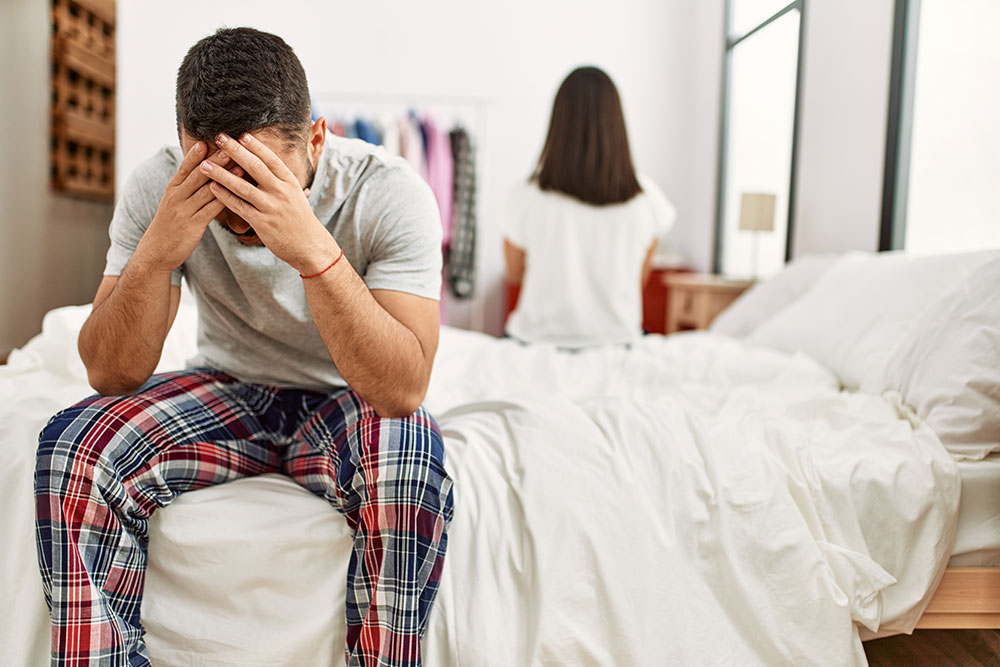
“58% of the respondents say that heavy workloads are ruining their rest, leading to 70% of workers to take a snooze day”
– Resmed Global Sleep Survey 2026
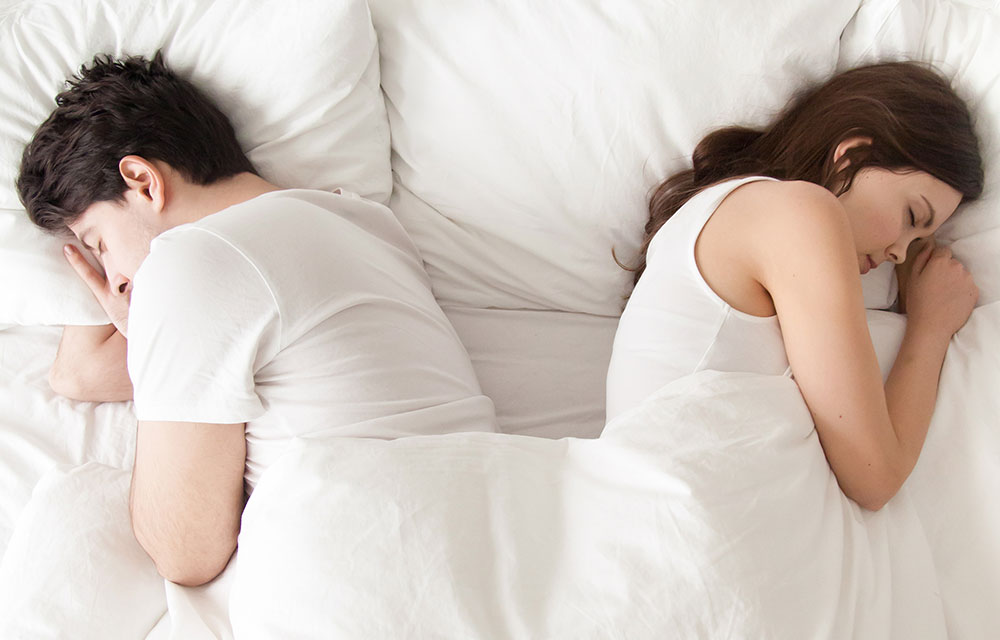
Bed-sharing paradox: Sleeping with a partner is great for intimacy — 53% — say it enhances their sex life. However, with 80% of people experiencing some level of partner-related disruption (39% of respondents say their partner interrupts their sleep at least weekly), the struggle to find harmony in a shared bed is true for all.
From awareness to action
As Dr. Carlos Nunez, Chief Medical Officer at Resmed, puts it, “People are increasingly recognizing sleep as a cornerstone to long-term health, which is encouraging. But recognition alone is not enough. We need to help people move from awareness to action by addressing everyday barriers and improving access to screening, support and care.”
The 2026 data makes it clear that we’ve mastered the art of knowing sleep matters. Whether it’s setting boundaries at the workplace, telling our doctors what we need, or dealing with the stressors of everyday life, it’s time we close the gap on life we want and the rest we need.
Are you getting the rest you deserve?
For a deeper dive into the trends shaping our nights, there’s the full 2026 Resmed Global Sleep Survey or you can take an online sleep assessment to see where you stand. After all, the first step to a better morning is understanding your night.