
Reality Check »
In pursuit of cinema
From theatre stages to mainstream blockbusters, actor Akshay Oberoi opens up about resilience, reinvention and the relentless hunger that keeps him chasing his craft
By Pranay J
From the outside, Akshay Oberoi’s journey to the movies seldom looked conventional, but he admits that even in the toughest years, the certainty never wavered. Acting was always home. “No matter how hard the business was, or how difficult the earlier struggles were—or even whatever struggles I have today—I’ve always known this is where I belong,” he says, almost amused by how early the calling struck. He adds, “As far back as I can remember—maybe 12, 13—I felt this very deep down. I don’t think I would’ve survived all these years if I didn’t truly feel that. I just wanted to act. I don’t know why. I often wonder why such a strong calling comes to someone. It makes me believe in destiny and fate and luck.”
Akshay’s path wound through theatre at a time when very few young actors took that detour, but for him, the stage was instinctively the purest training ground. “I joined theatre because I wanted to learn about acting, and somewhere I had the good fortune or knowledge that theatre was the best training ground. But I always wanted to be in movies because I was such a movie fan—my heroes were (Amitabh) Bachchan saab and James Dean. I knew the best path to getting there was theatre,” the actor shares.
He began performing at 13, carried on through high school and college—studying theatre alongside economics—and discovered that the stage teaches you what no film set can. “When you’re in front of a live audience, you get feedback very quickly. A film takes a year to release and you can’t fix anything once it’s out, but with a play, you refine your performance night after night. It teaches you timing, rhythm, confidence. There’s no cut, no director stepping in. That’s why it’s an actor’s medium,” he tells us.
Perhaps that explains his affinity for layered, offbeat characters—
roles that feel lived in rather than constructed. But he refuses to romanticise his choices, saying, “I’d be lying if I said I chose these unconventional, layered roles—they came to me. Maybe I auditioned, maybe one project led to another. I was doing Fitoor when Mukesh Chhabra and Shanker Raman cast me in Gurgaon. I had no idea what commercial cinema meant back then. I just wanted to act. Those roles came, and I’m so grateful.”
There was no single turning point, no lightning bolt moment—just a series of films that shaped his idea of cinema. “Every time I think it’s one film, another comes up. When I first saw Trishul, I thought: wow, this is cinema at its best. Then I saw Giant, and James Dean playing a young man all the way to an old one. Then The Matrix, Sholay… it’s happened many times,” Akshay explains.
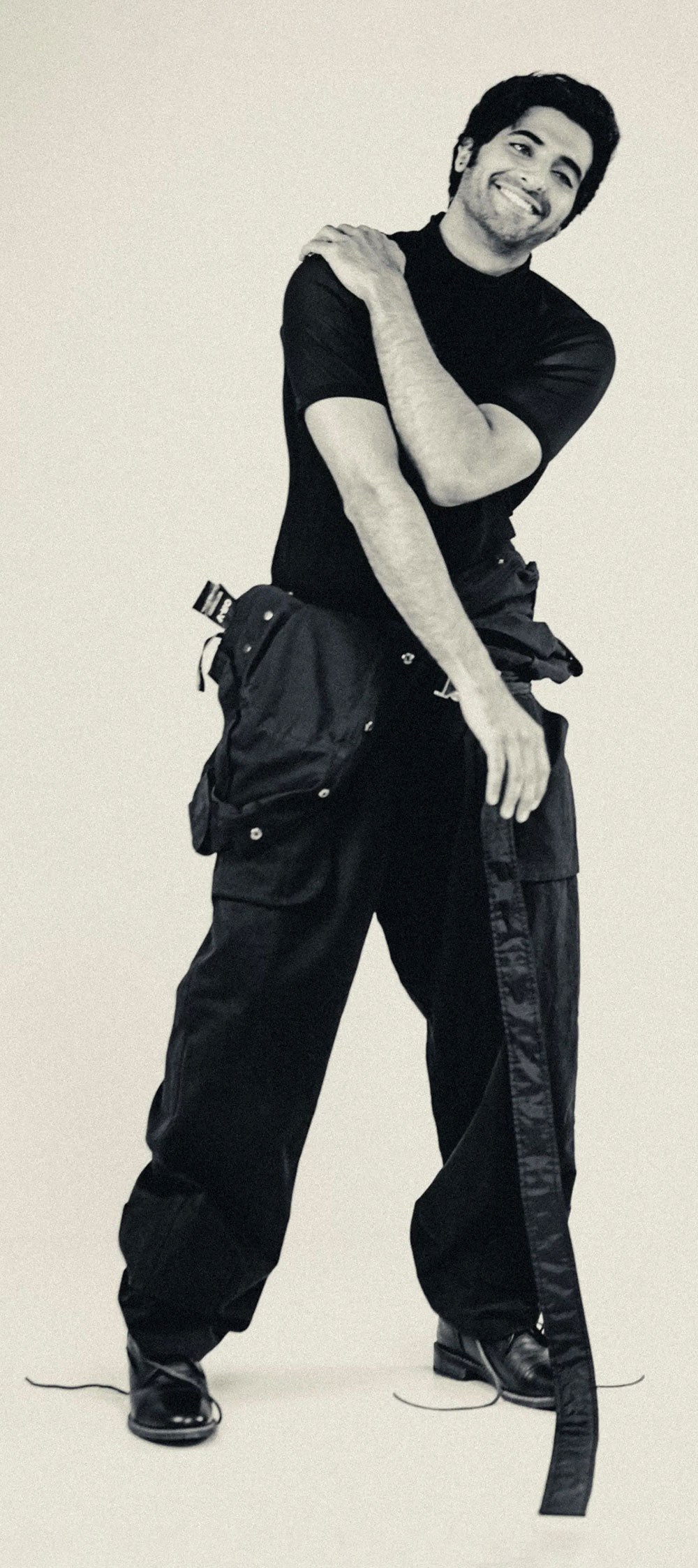
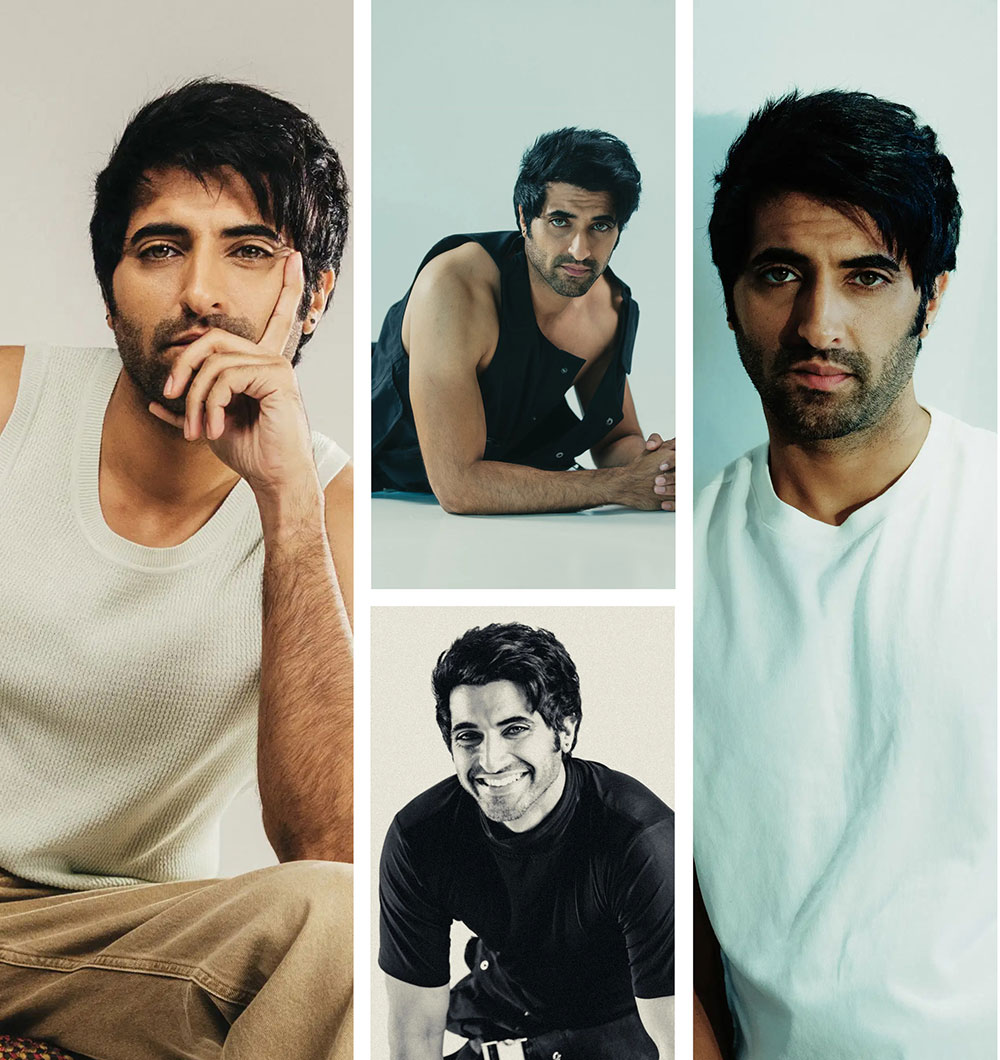
That blend of influences led him to straddle indie and mainstream worlds—a balance he never consciously strategized. “Earlier, I first got indie and/or offbeat stuff made by independent producers. It was artistically super satisfying, but people didn’t watch them A few broke out—Laal Rang, Gurgaon—but others didn’t. I used to feel heartbroken. Then I started searching for mainstream work, but it was very hard. People want bigger names. I just kept working. Then one day, Mamta Anand and Sid Anand gave me Fighter, and that changed the game.” With several mainstream films lined up for 2026, he calls this phase “exciting” but insists he’s always been searching, always wanting more. “The difficulty has always been in how can I keep growing as an artist, and how can I get more people to watch my work?”
Akashay is thoughtful, almost protective, when discussing the mythology of struggle. “The biggest misconception is people think it’s easy. Across the board, it’s not,” he says, adding, “If you come out of nowhere like me, it takes very long to get work. If you’re fortunate and something becomes a huge hit, things change fast, but otherwise you spend years building a filmography.
Even people with family connections have their own difficulties—getting limelight so young without breaking your back to get there is its own thing to process. The profession is glamorous from the outside, but it’s actually the least glamorous thing. The work is fun, but surviving is hardest. Someone once said only 1% of actors act in movies, and of that, 0.1% become superstars.”
OTT widened that window, not because of stories, but because of visibility. He explains, “It gave actors like me a shot to meet an audience. When OTT started, big stars weren’t interested, but people like me, who were starving for work, grabbed it. I never had the thing of ‘it must be on this platform’. I just wanted to work and be seen. Audiences connected with that hunger—across actors, directors, writers.”
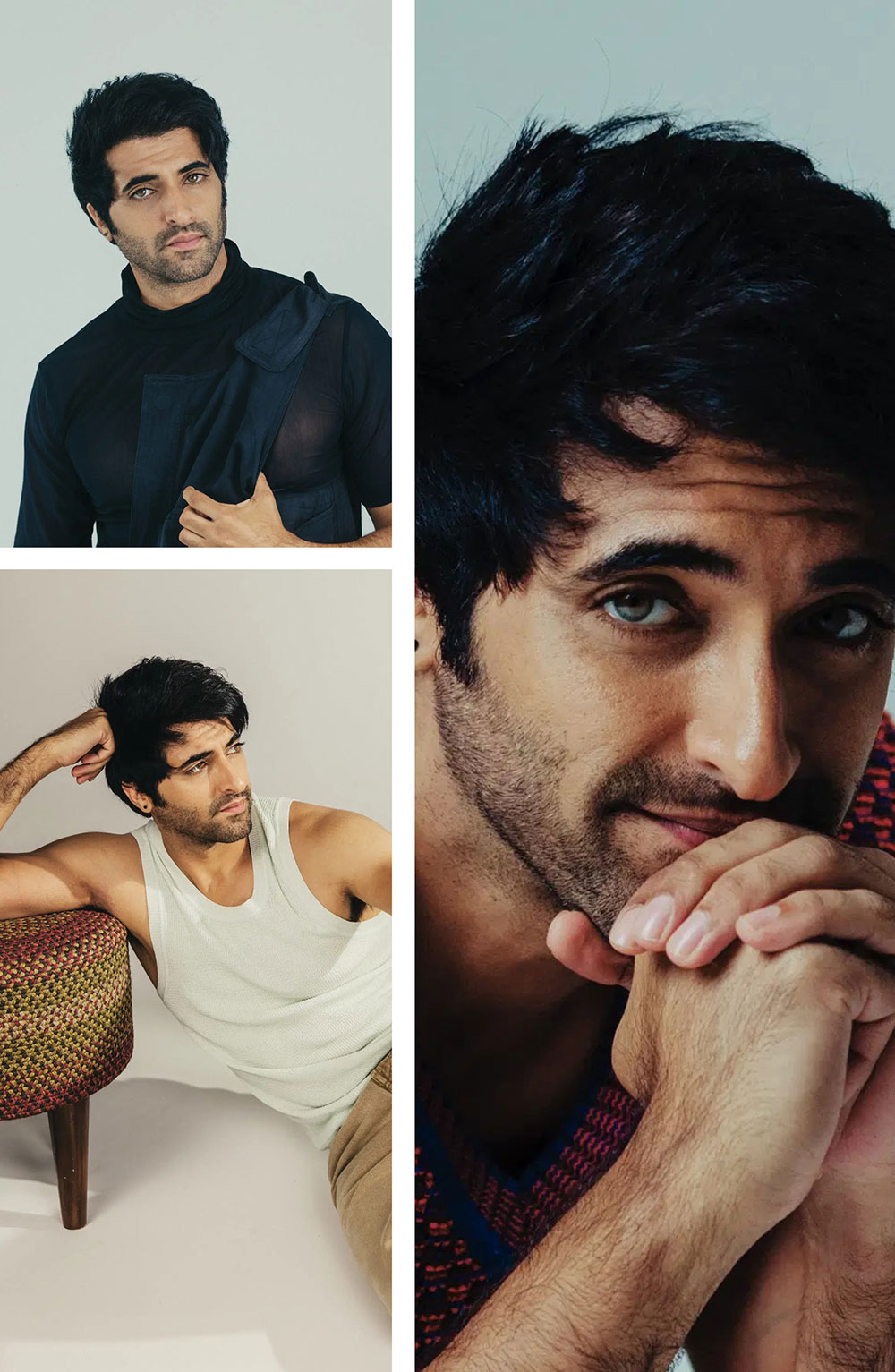
Akshay’s process, though, refuses categorisation. “I don’t have one answer because every film and character is different. Sometimes I know exactly how to play it, sometimes I’m confused for weeks. Sometimes it’s an accent, a body language, a physicality. And directors have their own expectations. The only thing I repeat is reading the script as many times as possible.”
Cinema, in return, has taught him who he is. “I didn’t know how resilient I was. How much I could be punched in the face and get back up. It must mean I’m super passionate, otherwise I wouldn’t have lasted this long. Playing so many different people teaches you who you are,” the actor says.
His upcoming slate feels like the most expansive chapter yet: Toxic, his first Kannada film with Yash and director Geetu Mohandas; a streaming film with Manoj Bajpayee produced by Neeraj Pandey; and King, with Siddharth Anand—“the closest director to my heart”—produced by Marflix and Red Chillies. “I don’t need to tell you who it’s starring,” he smiles. “Everyone knows—the king himself,” he exclaims.
Yet, despite everything, the hunger remains. “I haven’t gotten to where I want to be. Ambition is still huge. And I love acting so much that it depresses me when I’m not acting. When I’m not on a set or facing the camera, I feel empty.”
Outside the frame, simplicity anchors him—movies, books, friends, sports, time with his wife and son, and peaceful stretches in Karjat. A day off is “yoga, meditation, time with Avyaan and Jyoti, watching something, reading something—just living life so I can play characters.”
Fatherhood, especially, has rewired him. “That boy has taught me so much about life and about myself. It’s changed my purpose. It’s put me in touch with parts of myself I didn’t know existed. Our relationship has grown so much as parents. And he’s taught me love—Jyoti taught me that first, we’ve been together since high school, and Avyaan only brought us closer. I never expected myself to talk like this,” he laughs, “but love is that.”
Rapid fire inevitably turns into reflection.
- A role he wishes he’d played: “Khilji in Padmaavat.”
- A co-star who always makes him laugh: “Manoj Bajpayee.”
- His go-to stress buster: “My child.”
- Something fans don’t know: “I do a lot of crafts—I can make you a purse, wallet, bag. I love working with my hands.”
And one word to describe his journey? He still doesn’t have one. “It’s very difficult,” he says, pausing, promising a voice note later. Because if there’s one thing Akshay refuses to do, it’s flatten a long, textured, unglamorous, resilient journey into a single word.