
Global Cool »
Bright fits, big feels
Who needs a shoulder to cry on when your clothes can cheer you up? Dopamine dressing brings colour therapy to your closet
By Mayur Kaushal
In a world where social media remains awash with glossy highlight reels and our daily routines often blur into monotony, many of us have sought solace in friendships, therapy, or solitary comfort — the proverbial ‘shoulder to cry on’. But an uplifting new trend is quietly rewriting that script. It’s called Dopamine Dressing — and it’s not just about clothing: it’s about wearing your joy.
What dopamine dressing actually does
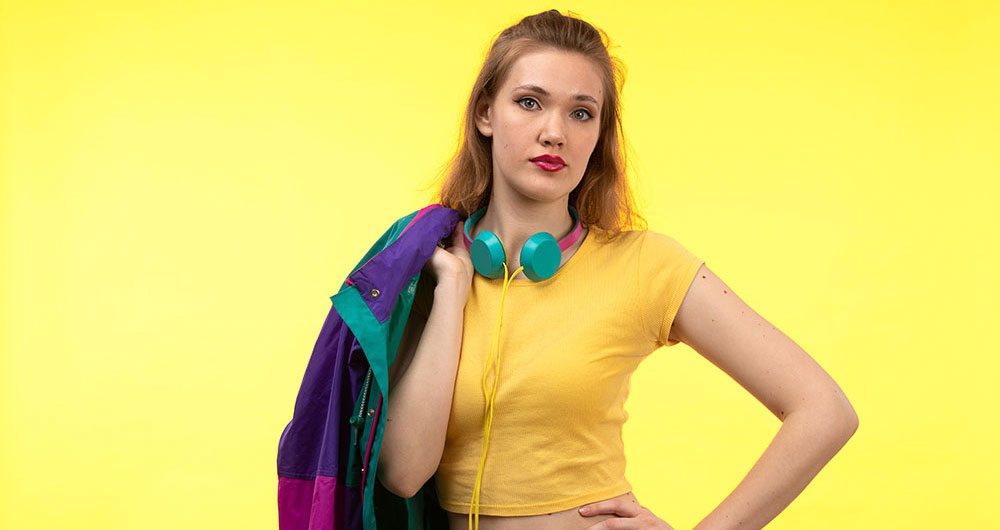
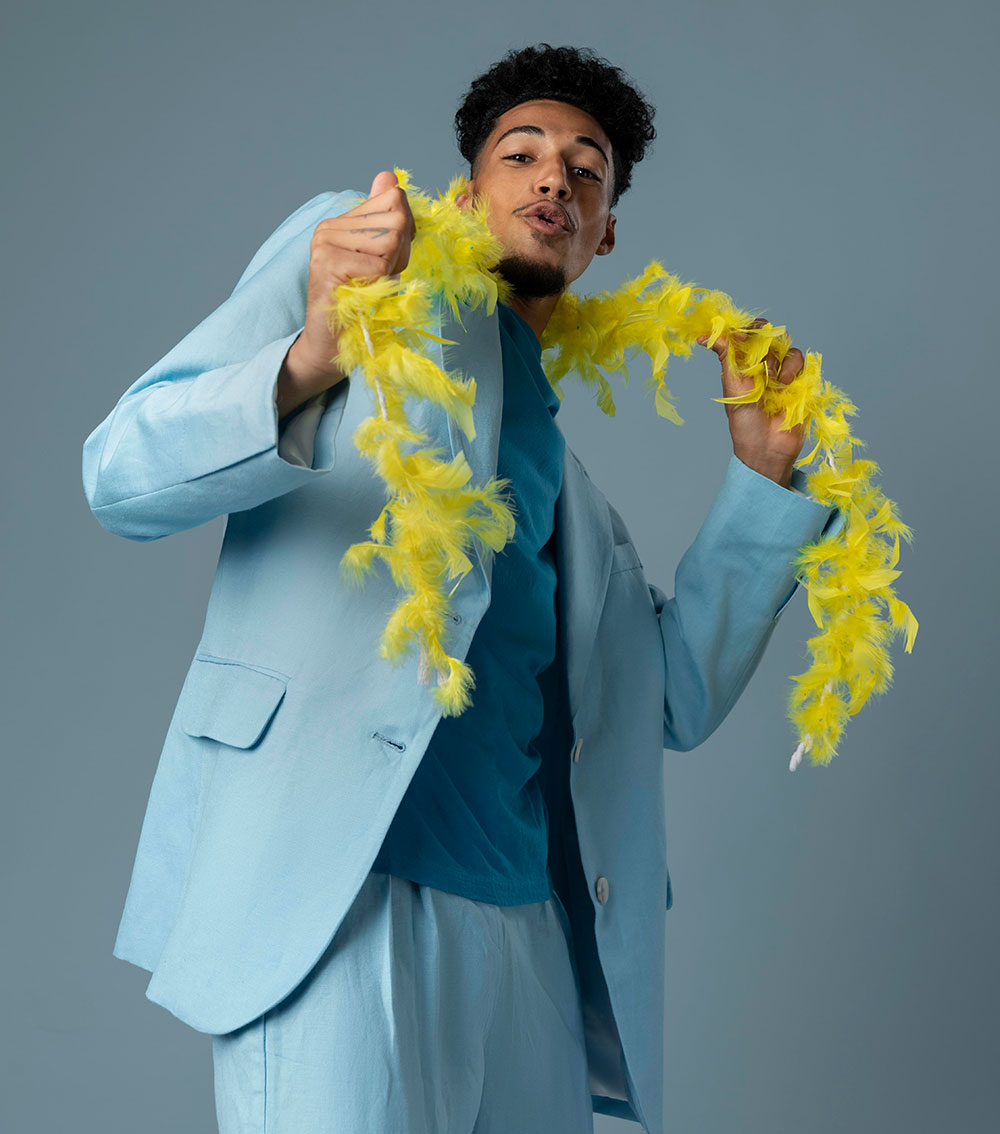
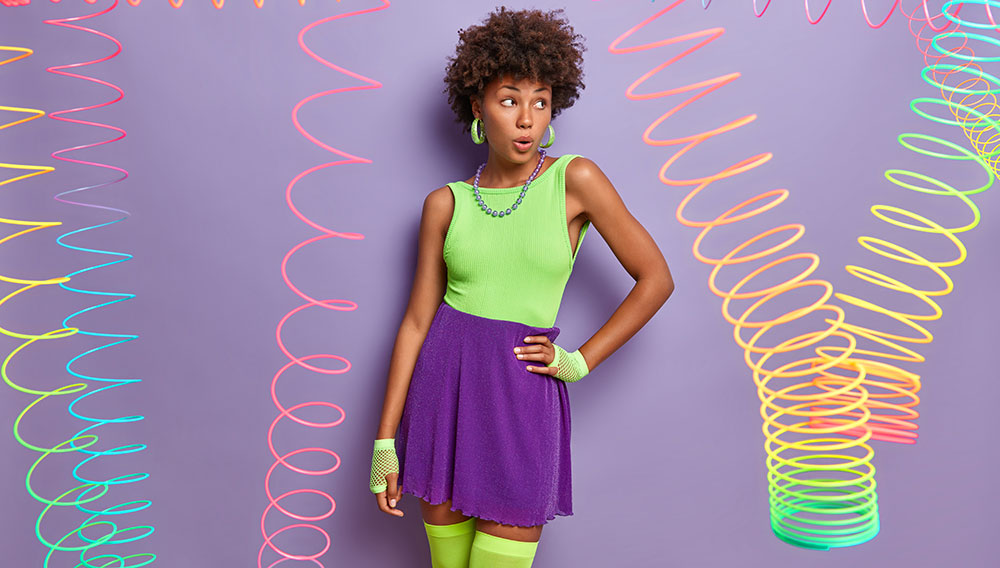
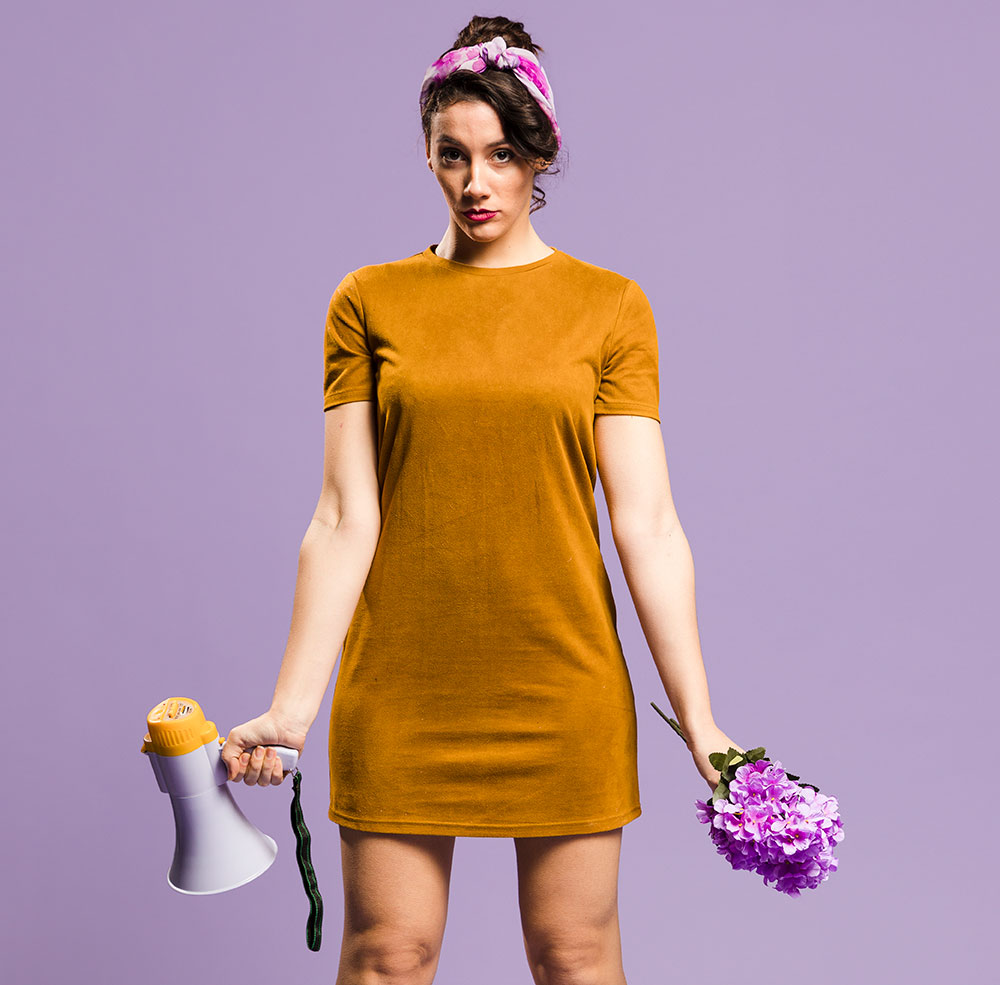
Dopamine dressing is the idea that what we choose to wear can influence how we feel. It draws on colour psychology, sensory experience, and what psychologists call ‘enclothed cognition’ — the notion that clothing carries symbolic meaning and can shape emotions, mindset, and even performance.
This isn’t just superficial styling. At its core lies a simple but powerful truth: when you put on clothes that you love — clothes that reflect your personality, spark joy, or make you feel confident — your brain responds. Because dopamine, the ‘feel-good’ neurotransmitter tied to pleasure and motivation, might get a little nudge. As one recent article observed: what used to be a coping mechanism during pandemic-time stress — dressing up for a ‘happiness hit’ — has matured into ‘a fully-fledged fashion philosophy’.
The surge in 2025
While fashion is often cyclical, dopamine dressing has seen a sharp rise in relevance over the past couple of years. Several factors explain why 2025 marked its tipping point — and why 2026 seems primed to take it even further.
- Mental well-being needs are rising: In a world still adjusting to post-pandemic realities, many seek small, immediate boosts — and clothing offers a low-effort, emotionally resonant way to get one. Dopamine dressing becomes a daily act of self-care.
- Fashion meets psychology: Designers, stylists, and mental-wellness advocates are embracing the connection between style and mood. The trend has grown beyond bright colours to include textures, patterns, and even mood-based styling — a welcome shift from the rigid ‘fashion diets’ of the past.
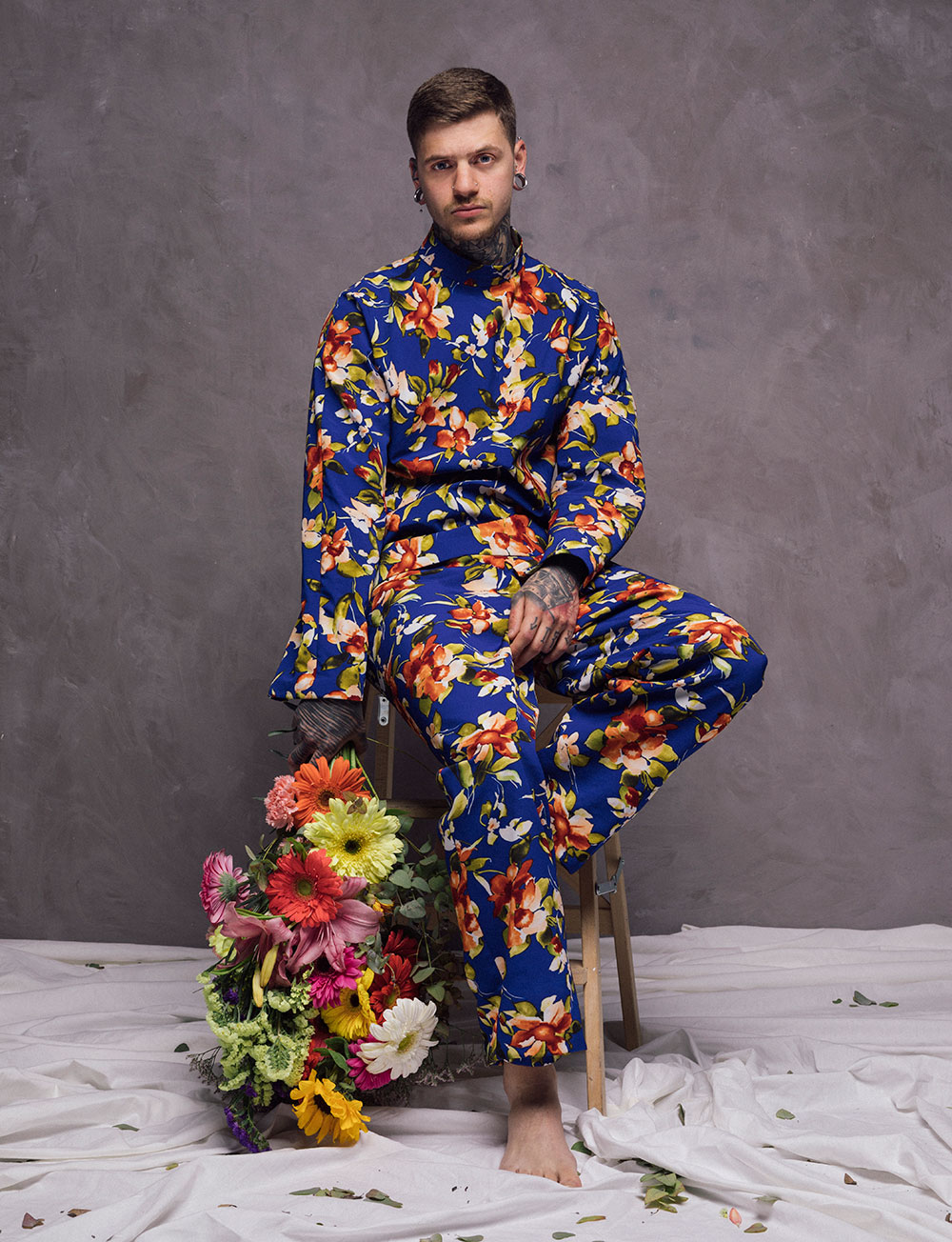
- A reaction against minimalism: The early 2020s were dominated by understated, quiet-luxury aesthetics — think muted tones, minimal logos, subtle silhouettes. But dopamine dressing feels like a rebellion against that. Bold colours, playful patterns and joyous expression are back in favour.
- Fashion’s supply-chain catches up: Retailers and brands are paying attention. 2025 saw many launches aligned with dopamine dressing — vibrant palettes, seasonal capsule collections, even marketing that leans into mood boosting. For businesses, this is where you play smart: fashion that connects with customers emotionally, not just visually.
More than just colour
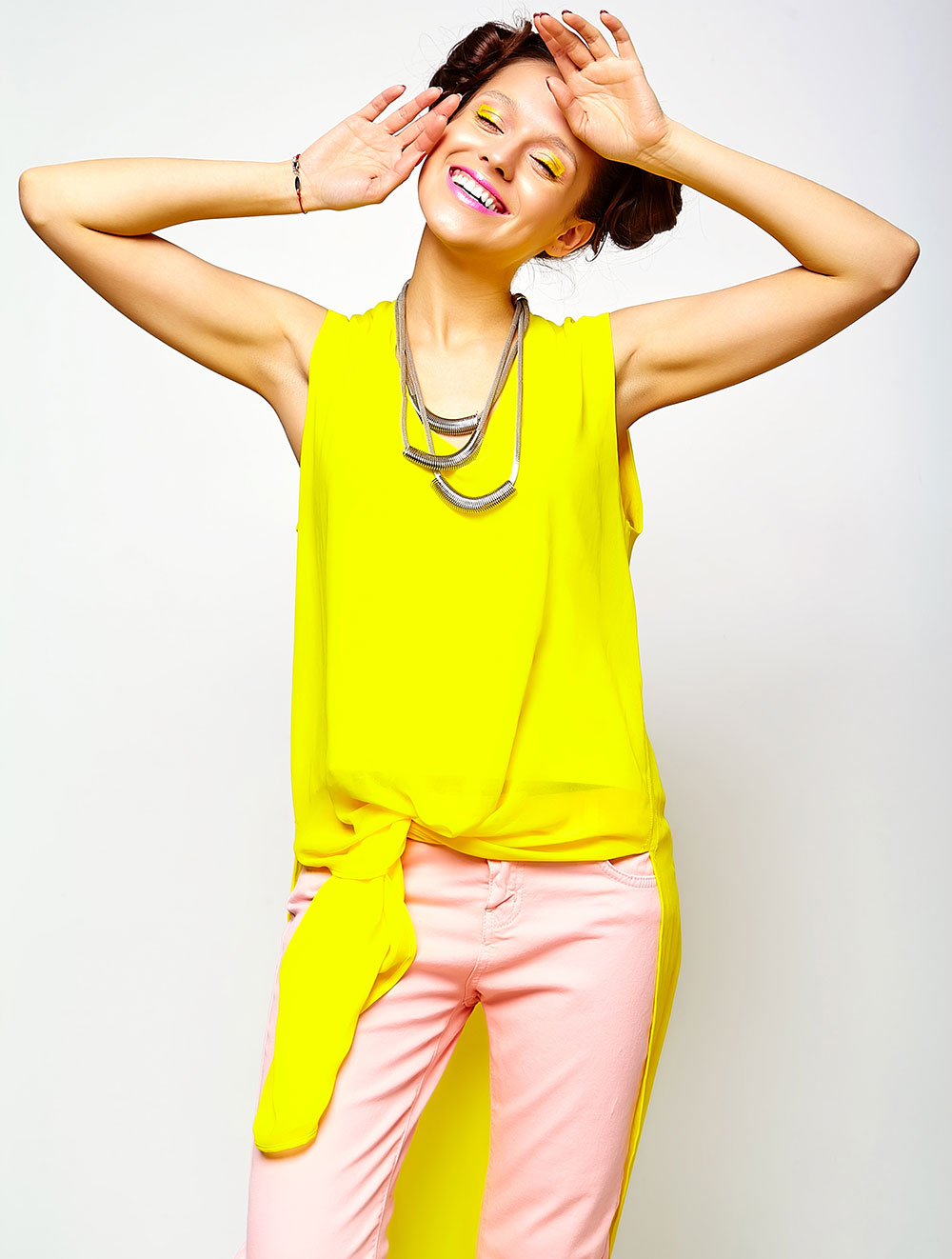
You might think it’s “dressing happy” — but dopamine dressing is more nuanced than ‘just wear yellow’. The magic lies in how multiple elements combine to uplift mood:
- Colour + psychology: Different colours elicit different emotional responses — yellow and orange bring optimism and energy; blue or turquoise promote calm; red can boost confidence and power; green evokes freshness and balance.
- Texture & comfort matter: A scratchy piece of clothing, no matter how boldly coloured, won’t do much good. Soft fabrics, comforting textures, and fits that make you feel good reinforce the emotional boost.
- Personal resonance > trends: The most effective dopamine outfits tend to be deeply personal. What delights one person might feel jarring to another. The key is what makes you feel good. Fashion psychologists increasingly encourage individuals to build a colour journal — noting which combinations boost their mood, rather than blindly following runway colour rules.
- Mood as self-expression, not performance: Instead of dressing to impress others, dopamine dressing shifts the focus to dressing to express — or even heal — yourself. It’s about self-care, identity, and empowerment, not conforming to external standards.
To sum up: dopamine dressing proves that fashion can be more than style — it can be healing, expressive and powerful.
What 2026 holds
Looking ahead, dopamine dressing is likely not to fade — but to evolve. Here’s what we might expect in 2026:
- Deeper personalization: Rather than seasonal trends, wardrobes may get curated for mood, identity, and emotional needs. Think ‘capsules for calm’, ‘power outfits’, ‘joy sets’. As the psychology behind dressing gets embraced, style becomes more individual.
- More sustainable, mindful fashion: As consumers become conscious of fast fashion’s environmental cost, demand may shift toward ethically produced, mood-driven clothing — garments that feel good and do good. Already, some fashion insiders note this trend as emotionally intelligent and morally aware.
- Holistic wellness meets fashion: Dopamine dressing may merge with broader wellbeing routines — mindful morning rituals, mental-health check-ins, even workplace wellness programmes that acknowledge emotional state. Clothing could become part of self-care in a holistic sense.
- More widespread acceptance globally: What began in trend-forward Western markets is bubbling up across geographies. As social media and global retail reach expand, dopamine dressing could resonate with people from diverse cultures and contexts — including urban India, where young consumers are already embracing bold, expressive fashion.
Why looking for a shoulder to cry on might be outdated
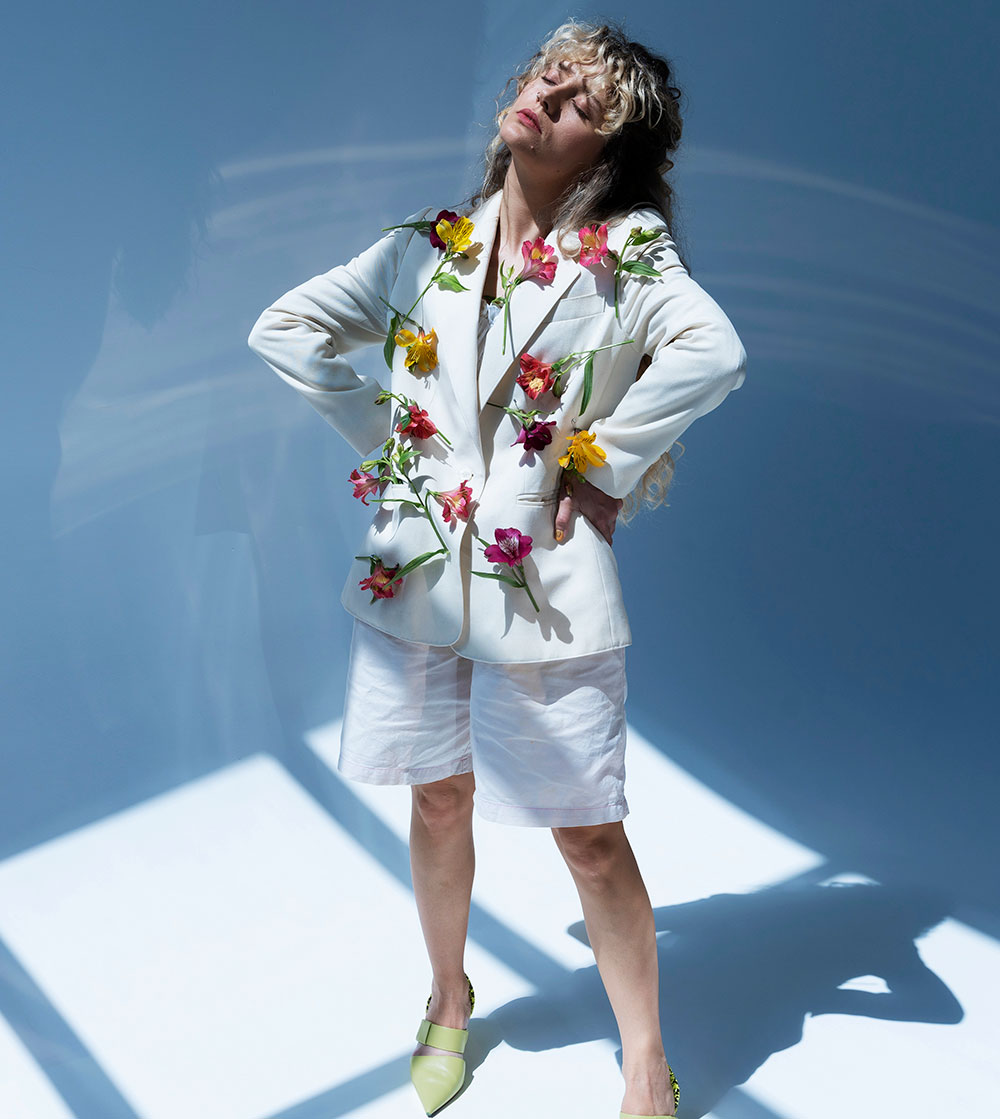
Because dopamine dressing isn’t about seeking external comfort. It’s about empowering yourself from within — through textures, hues, patterns, and styles that speak to your emotions. It’s the recognition that fashion can be therapeutic, not just decorative. In an era where mental wellness is gaining urgency — where daily stress, work pressure, digital fatigue are real — some of the most accessible comfort lies in our closets.
Rather than waiting for someone else to notice we’re down, dopamine dressing invites us to notice ourselves — what colours calm us, what fabrics comfort us, what silhouettes make us feel strong. It encourages self-responsiveness: a little “retail therapy” not for status or show, but for a mood lift, a confidence boost, a self-care moment.
As one colour psychology guide puts it: “Your wardrobe becomes a personal happiness toolbox.”
So yes — the “shoulder to cry on” might still offer solace. But what if the shoulder you really need is the one that wraps around you when you stand up, dress up, and step out — a shoulder made of turquoise silk, sunflower yellow cotton, or a small, unexpected pop of neon on a scarf?
If 2025 gave us dopamine dressing, 2026 might see it blossom into a full-fledged emotional lifestyle. And perhaps, for many of us, that’s exactly the kind of shoulder worth leaning on.